I’ve spent enough nights on stiff foam and saggy springs to know that the mattress under you shapes how you feel the next morning. People shopping for natural latex usually want three things at once: fewer synthetic materials against their skin, a sleep surface that holds up, and a feel that doesn’t trap heat the way older memory foam tends to. The picks below cover organic all-latex builds, a latex-over-pocket-coil hybrid, and a 1-inch topper for anyone who wants to upgrade what they already own.
A Closer Look At The Lineup
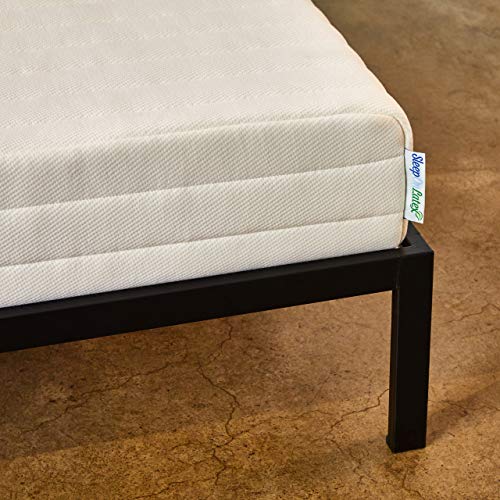
Pure Green Organic Latex Mattress (Firm, Twin)
Pure Green Organic Latex Mattress (Medium, Queen)

Cotton Sleep 11″ Organic Hybrid Mattress (Medium, Queen)
Pure Green Organic Latex Mattress (Medium, King)

Sunrising Bedding 8″ Natural Latex Full Mattress
Pure Green Organic Latex Mattress (Firm, Queen)
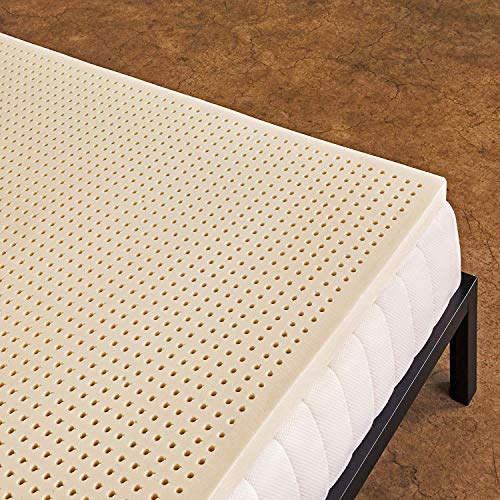
Pure Green Natural Latex Topper (Firm, 1″, King)

Wakefit Queen Mattress with Natural Latex (Dual-Sided)
The Picks, Examined More Closely
A Twin all-latex build is a smart call for a child’s room, a studio apartment, or any guest nook where space is tight. This version keeps the same recipe as the larger Sleep On Latex mattresses: 8 inches of GOLS-certified organic latex (the latex equivalent of an “organic” seal for rubber-tree foam), wrapped in a quilted organic cotton and wool cover. Latex foam is naturally resistant to dust mites and common allergens, which matters when someone with sensitivities is sleeping on it nightly.
I appreciate how the cotton-and-wool cover breathes, so heat doesn’t get trapped the way it does in dense memory foam. The firm feel is also a quiet win for growing kids and stomach sleepers, where a softer surface can throw the spine out of alignment.
Where It Helps
- GOLS-certified latex plus a GOTS-certified organic cotton and wool cover for a fully traceable build.
- Firm support that holds the spine level for stomach sleepers and growing kids.
- Roll-compressed shipping means the mattress is easier to haul upstairs than a traditional innerspring.
- Latex’s open-cell structure breathes instead of trapping body heat.
Things To Consider
- At Twin size, this is built for solo sleepers, so couples will want to step up to the Queen or King version.
- The all-latex feel has a light bounce that can take a night or two to adjust to if you’re used to memory foam.
Feature Snapshot
Right Fit For
Single sleepers who want a firm, all-organic sleep surface, parents furnishing a kid’s room, and anyone furnishing a guest nook in a smaller home.
Swap It Out When
Two people sharing a bed should look at the Pure Green Organic Latex Mattress (Medium, Queen) instead, since the larger surface and medium feel handle a couple better.
The medium Queen is the sweet spot of the Pure Green line for most couples. Sleep On Latex uses the same 8-inch GOLS-certified organic latex core as the rest of the family, but the medium feel gives shoulders and hips a chance to settle in without losing the underlying support. That’s the kind of combination side and back sleepers usually chase, and it tends to keep partners from waking each other up as much as a softer foam.
Compare that to the Twin version above, which leans firm and small. Here, the larger surface gives two adults room to spread out, while the medium firmness keeps the spine from sagging for back sleepers who want cushion without the quicksand effect.
Strengths Worth Knowing
- Medium feel that cushions shoulders and hips while still supporting the lower back.
- Organic cotton and wool cover that breathes and helps wick moisture through the night.
- Queen footprint gives couples room without taking over a smaller bedroom.
Points To Note
- Stomach sleepers may find the medium feel too soft over time and should consider the Firm Queen instead.
- All-latex mattresses are heavier than foam, so rotating or moving the bed is a two-person job.
Whose Shelf It Belongs On
Couples who share a bed, side sleepers with pressure-prone shoulders, and back sleepers who want cushion without losing support.
Reach For A Different Pick When
Couples who sleep warm or want a touch more bounce should look at the Cotton Sleep 11″ Organic Hybrid Mattress, since pocket coils add airflow on top of the latex comfort layer.
The Cotton Sleep hybrid breaks from the all-latex pattern by adding individually wrapped pocket coils under the natural latex. Pocket coils let each spring respond on its own, so two sleepers don’t roll into each other the way they would on a connected coil unit. The 11-inch profile pairs that coil base with GOLS natural latex and a GOTS-certified organic cotton and wool cover, which is a meaningful upgrade for anyone who finds pure latex too “floaty” but still wants natural materials where the body rests.
The honest read is that this sits in a useful middle ground. You give up a touch of that pure-latex hug, but you gain airflow through the coil layer and a slightly easier time moving across the bed at night.
A Few Strong Suits
- Coil-on-latex design adds bounce and breathability for sleepers who run hot.
- GOTS-certified cotton and wool cover keeps the sleep surface free of polyfoam and fiberglass.
- Heavier sleepers tend to find hybrid coil support more forgiving over time than all-foam builds.
Honest Caveats
- The 11-inch profile needs deep-pocket sheets, which is an extra ownership cost.
- Hybrid coil units can occasionally develop a faint squeak at the edges after extended use.
Feature Snapshot
Best Suited To
Heavier sleepers, hot sleepers, and couples who want the bounce of coils plus the breathability of latex on top.
Look Elsewhere When
Shoppers who want the simplest, lightest possible all-organic mattress should consider the Pure Green Organic Latex Mattress (Medium, Queen) for a coil-free build.
Stepping up to King is mostly about giving each sleeper their own half of the bed. With the same 8-inch GOLS-certified organic latex core and organic cotton/wool cover as the Queen version, this mattress doesn’t change what you sleep on, just how much of it you have. For couples who tend to migrate toward the middle, that extra width can mean fewer nighttime collisions.
Where the King really earns its keep is for restless sleepers, parents sharing a bed with a toddler on rough nights, or anyone who likes a pillow on each side without crowding a partner.
What Helps Most
- King footprint gives each sleeper a generous personal zone.
- Medium organic feel works for mixed sleeper types in the same household.
- Latex core resists the body impressions that cheaper foams tend to develop.
Worth Bearing In Mind
- King sheets and foundations add to the total ownership cost beyond the mattress itself.
- A King all-latex mattress is heavy, so plan ahead for room placement before unrolling.
Quick Facts
Made For
Couples, restless sleepers, and anyone furnishing a primary bedroom where space is a priority.
Not Your Match When
Solo sleepers in a smaller bedroom will do just as well with the Pure Green Organic Latex Mattress (Medium, Queen), which costs less and fits tighter rooms.
The Sunrising Bedding 8-inch Full brings a hybrid pocket-coil build to a guest-room-friendly footprint. The comfort layer uses Talalay latex (a manufacturing process that whips air into the latex for a lighter, more breathable feel) over individually encased coils, which is a different approach from the all-latex Pure Green line above. The Full size is a smart pick for a teen’s room, a guest space, or a smaller primary bedroom where a Queen feels like overkill.
For shoppers watching the budget, this is one of the few natural-latex options that uses the lighter Talalay process at a smaller size, which can make the transition to a more natural sleep surface less of a leap.
Positive Takeaways
- Talalay latex layer feels airy and responsive for sleepers who want bounce.
- Individually wrapped coils help reduce motion transfer between partners.
- Full size fits smaller bedrooms and guest rooms without sacrificing sleeping width.
Trade Offs
- Full size may feel tight for taller adults sharing the bed.
- The 8-inch profile is shallower than the Cotton Sleep hybrid, which some heavier sleepers may find too thin.
Technical Highlights
Who Should Grab It
Anyone furnishing a guest room, a teen’s bedroom, or a smaller primary space on a tighter budget.
Skip It When
Couples who share a Full nightly will be more comfortable on the Cotton Sleep 11″ Organic Hybrid Mattress (Medium, Queen), which gives more room and a thicker profile.
Stomach sleepers are the easiest group to underserve, because too much cushion at the chest throws the neck out of line. This Firm Queen keeps the same GOLS-certified organic latex core and organic cotton/wool cover found across the Pure Green family, but pushes back harder so the torso stays level. For couples where one partner sleeps face-down and the other tolerates a firmer surface, it’s a less common compromise that actually works.
Compared with the medium Queen earlier in this list, the trade-off here is less cradling at the shoulders in exchange for a flatter, more aligned sleep position.
Why It Works Well
- Firm feel that keeps stomach sleepers’ spines level through the night.
- Organic latex holds its shape well, resisting the body impressions cheaper foam tends to develop.
- Queen footprint gives couples or solo sprawlers room without dominating the bedroom.
A Few Limitations
- Side sleepers may find this too unyielding on the shoulder and hip.
- Heavier sheets and mattress toppers can mute the firm feel, so choose bedding that won’t oversoften the surface.
Who It Suits Best
Stomach sleepers, combination back-and-stomach sleepers, and couples who prefer a sturdier sleep surface.
A Better Fit Elsewhere
Pure side sleepers should look at the Pure Green Organic Latex Mattress (Medium, Queen) for a softer shoulder zone.
Not everyone needs a new mattress. For sleepers whose existing bed is structurally fine but feels slightly soft, a 1-inch GOLS-certified organic latex topper can firm things up and add a more natural surface where the body rests. The King size from Sleep On Latex uses the same organic latex harvested from rubber trees as the full mattresses above, just in a thinner layer that goes on top of what you already own.
The smart move is to think of this as a tune-up, not a replacement. It won’t fix a sagging foundation or a deep body impression, but it can sharpen up a mattress that’s just a step too soft.
Key Advantages
- Adds organic latex contact without replacing a still-functional mattress.
- 1-inch thickness subtly firms the feel without dramatically changing bed height.
- King size matches existing King mattresses across major brands.
Softer Spots
- The 1-inch profile is too thin to rescue a deeply sagging mattress underneath.
- No cover is included, so a separate organic protector or fitted sheet setup may be needed.
Feature Overview
Perfect Match For
Sleepers whose current mattress is structurally sound but feels a touch too soft, and anyone wanting an organic surface layer without a full replacement.
Consider Something Else When
Shoppers whose mattress is more than seven or eight years old should consider a full replacement like the Pure Green Organic Latex Mattress (Medium, Queen) instead.
The Wakefit Queen takes a different angle on the natural-latex idea: a dual-sided build where one side reads medium-firm and the other reads medium-soft. Couples who can’t agree on firmness can simply flip the mattress to match whoever’s sleeping on top. It uses a responsive foam and high-resilience foam core along with the natural latex layer, which keeps the cost lower than a full organic build.
The flip side of that is a slightly less natural material profile than the Pure Green or Cotton Sleep models, so this is a better fit for shoppers who want latex contact plus flexibility rather than a fully certified-organic build.
The Helpful Details
- Dual-sided design lets couples experiment between medium-firm and medium-soft without buying two mattresses.
- Queen size fits standard bedrooms without dominating the floor plan.
- Latex layer adds natural responsiveness on either side.
Where It May Fall Short
- Not a fully certified-organic build, which matters to shoppers avoiding every synthetic foam.
- Flipping a Queen mattress regularly requires two adults and clear floor space.
Built With In Mind
Couples who want flexibility between firm and soft feels, and shoppers new to latex who aren’t ready to commit to a fully organic build.
Where A Sibling Pick Shines
Shoppers wanting a fully organic build with the same feel on both sides should look at the Pure Green Organic Latex Mattress (Medium, Queen) instead.
What Matters Most Before Choosing Benefits Of Natural Latex Mattress
Material Composition and Certifications
When shopping for a natural latex mattress, the most important question is what’s actually inside. GOLS certification (Global Organic Latex Standard) covers the latex itself, while GOTS (Global Organic Textile Standard) covers the cover fabrics like cotton and wool. Together they signal that the materials came from organically grown rubber trees and naturally raised sheep, not petroleum-based foam. The trade-off is usually a higher price tag compared to mattresses that mix in polyfoam, but the payoff is a cleaner sleep surface for sensitive sleepers and a more durable foam that resists sagging over time.
Firmness and Sleep Position
Firmness is personal, but it tends to map onto sleep position. Stomach sleepers usually do best on a firm surface that keeps the spine flat. Side sleepers tend to need a softer shoulder zone, so a medium feel cushions without losing support. Back sleepers often land somewhere in the middle. Latex has a particular feel: it’s more buoyant than memory foam, with a quick pushback instead of a slow sink. That bounce takes a night or two to adjust to, but most sleepers come to appreciate the easier repositioning.
All-Latex vs. Hybrid Construction
All-latex mattresses use latex for both the core and the comfort layer, which gives them a consistent feel from top to bottom. Hybrids add pocket coils underneath the latex, which adds airflow and bounce but also brings in metal. Hot sleepers often prefer hybrids for the extra breathability through the coil layer, while shoppers who want a fully natural build usually lean toward all-latex. Both can work well; the difference shows up in feel and materials more than in long-term support.
Size, Foundation, and Practical Ownership
A new mattress should fit the room, the bed frame, and the existing bedding. Latex mattresses are heavy, so moving one up stairs or through tight hallways deserves a plan. Deep-pocket sheets are a must for the 11-inch hybrid in this roundup. And finally, the foundation matters: a slatted frame with close-spaced slats (or a solid platform) keeps the bed from developing dips over time.
Smart Choices Across These Picks
Common Shopping Slip Ups
One common trap is assuming that “latex” automatically means “natural.” Some mattresses blend synthetic latex with natural latex to lower cost, which doesn’t carry the same GOLS organic certification. Another mistake is choosing firmness based on what feels good in a showroom for ten seconds rather than what supports a full night in your usual sleep position. Shoppers also tend to overlook foundation requirements, only to find their slats are too far apart for a heavy latex mattress. The fix is simple, but easy to skip: read the certification labels, match firmness to sleep position, and confirm the bed frame can handle the weight.
Why Top Tier Costs More
Higher-priced natural latex mattresses typically cost more for three reasons: certified organic latex and wool from traceable supply chains, denser foam that resists impressions longer, and cover materials like cotton-wool quilts that breathe without synthetic blends. Where that extra spend shows up is in durability and material purity. Over a decade of nightly use, a well-built organic latex mattress tends to outlast cheaper foam by several years, which can balance out the upfront cost. The honest read is that the upgrade pays off most for sleepers who plan to keep the same bed for a long time and care about what they’re sleeping on.
Frequently Asked Questions
How long does a natural latex mattress typically last?
A well-built natural latex mattress tends to last longer than conventional foam, often reaching a decade or more before any noticeable softening. The exact lifespan depends on the density of the latex, the foundation underneath, and how much weight it carries nightly.
Is natural latex safe for people with allergies?
Most people with latex allergies react to direct contact with natural rubber proteins. Encased in a quilted cotton and wool cover, the latex core usually doesn’t trigger reactions, but anyone with a diagnosed latex allergy should talk to a doctor before choosing any latex mattress.
Do natural latex mattresses sleep hot?
Latex foam has an open-cell structure that breathes better than dense memory foam. All-latex builds sleep cooler than most foam, and hybrids with pocket coils add even more airflow through the coil layer.
How heavy are natural latex mattresses?
A Queen all-latex mattress typically weighs substantially more than a comparable foam mattress. Plan for two adults during setup, and measure doorways and stairways before delivery day.
What’s the difference between Dunlop and Talalay latex?
Dunlop latex is denser and heavier, which gives it a firmer feel. Talalay latex is whipped with air during manufacturing for a lighter, more buoyant feel. Both come from the same rubber tree sap, but the different processes suit different sleep preferences.
Closing Thoughts
Natural latex is one of those rare categories where the “cleaner” choice and the “more durable” choice tend to point at the same product. Match firmness to your sleep position, decide between all-latex and hybrid based on how much bounce and airflow you want, and confirm your bed frame can handle the weight. The rest is preference.