Refreshing the bedroom should not mean hours of guesswork. I pulled together eight solid options across the catalogs, mixing all-season duvet inserts, lightweight patchwork quilts, and one versatile mattress pad. Each entry below earns its spot for a different reason: warmth, breathability, design, or pure practicality. My goal is to help you match a textile to your climate, your bed size, and the way you actually sleep, so the room feels finished instead of fussy.
A Fast Comparison Of The Options

Utopia Bedding Comforter King Size, Duvet Insert, White, 90 x 102 Inches
Utopia Bedding Queen Comforter, Duvet Insert, White, 88 x 88 Inches

Cozy Line Home Fashions Sanders Floral Patchwork Cotton Reversible Coverlet, Bedspread, Quilt Set (Red/Navy, Queen)
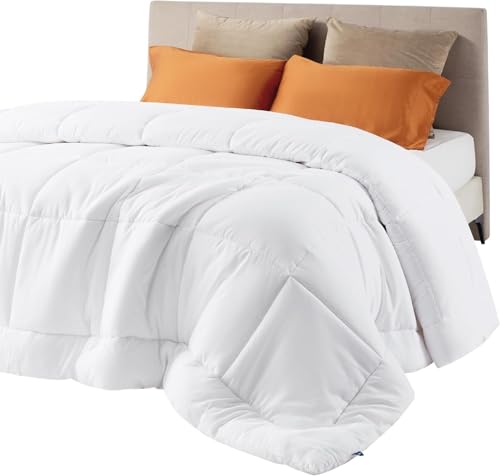
Bedsure Comforter Duvet Insert Quilted Comforters Oeko-TEX Bedding Blanket

Utopia Bedding Twin Comforter, Duvet Insert, White, 64 x 88 Inches

HoneiLife Quilt Set Queen Size, 3-Piece Microfiber Reversible Bedspreads Patchwork Coverlets Floral Bedding Set
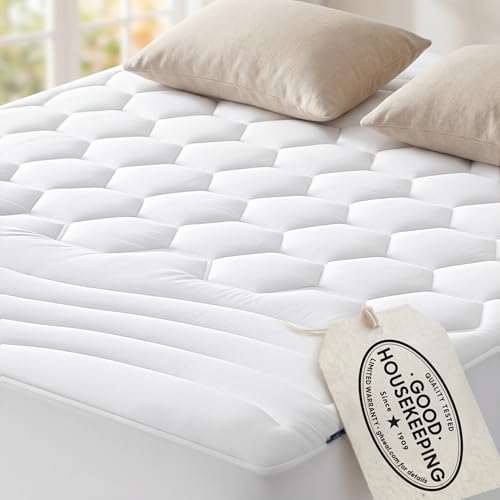
Bedsure Queen Mattress Pad, Mattress Topper with 8-21 Inches Deep Pocket

ENJOHOS Quilts Queen Size, Navy Blue Patchwork Floral Bedspreads, Lightweight Reversible Bed Coverlet
A Closer Look At Each Pick
Pulling a king-size comforter out of the package and draping it across the bed always feels a little indulgent, and this Utopia Bedding insert leans into that generous coverage. The shell is a microfiber polyester that wraps a down-alternative fill, so the loft looks fuller than the price typically suggests. Box stitching keeps the fill locked into place, which matters when you’re tossing it into a duvet cover every couple of weeks.
Where it earns real points is fit: 90 by 102 inches covers the mattress with enough drop to hide a bedskirt and drape cleanly over both sleepers. Compared with the queen sibling further down this list, you get twelve extra inches of width and fourteen more of length, so partners who hog the covers stop uncovering each other at 3 a.m.
Where It Delivers
- The 90 by 102 inch footprint suits standard king mattresses with enough overhang for both sides of the bed.
- Box quilting holds the down-alternative fill steady through repeated wash cycles, reducing the clumps that frustrate owners of cheaper inserts.
- Polyester microfiber shell feels soft against bare skin, a real plus for warm sleepers who dislike crisp percale textures.
- Neutral white tone plays nicely behind patterned duvet covers, so swapping aesthetics does not require a new insert.
- Lightweight enough for layering with a heavier blanket in winter, or standing alone in shoulder seasons.
Honest Caveats
- Polyester construction can trap heat in warm climates, so hot sleepers may find it too insulating for summer.
- White fabric shows laundering residue easily, and owners commonly report needing a second rinse to keep it crisp.
Whose Bedroom It Belongs On
Couples furnishing a primary bedroom who want balanced warmth and clean draping on a king frame.
Where Another Pick Suits Better
For a queen bed in a guest room, the Utopia Bedding Queen Comforter offers the same construction in a smaller footprint.
The queen version carries the same DNA as the king above: polyester shell, down-alternative fill, and tidy box stitching. At 88 by 88 inches, the silhouette is square rather than rectangular, which works nicely on queen mattresses and looks intentional tucked into a duvet cover. It is the quieter, easier-to-layer sibling for smaller bedrooms.
What stands out is how unfussy it feels day to day. Toss it in a duvet, fold it down hospital-corner style, and the fill stays where it should. Stitch owners commonly mention it holds shape after multiple wash cycles, which is the kind of boring reliability that matters most in real homes.
Useful Highlights
- Even fill distribution from the box-stitched pattern keeps the loft looking fresh wash after wash.
- The square 88 by 88 inch cut fits queen duvet covers without awkward overhang at the foot of the bed.
- Microfiber shell is gentle on skin and quiet to move under, a relief for light sleepers.
Worth Noting
- Not as lofty as down, so cold sleepers may want to layer a throw across the foot during deep winter.
- The all-white finish requires thoughtful laundering if you have kids, pets, or breakfast-in-bed habits.
Built With In Mind
Anyone outfitting a standard queen bed who wants an easy-care insert that pairs with virtually any duvet cover.
A Better Fit Elsewhere
For pattern-driven rooms, the Cozy Line Sanders Floral Patchwork Coverlet brings cotton breathability and visual interest in the same queen footprint.
If the inserts above feel too plain, this Cozy Line set flips the script with a real patchwork quilt in red, navy, and brown floral tones. Cotton on both faces means airflow, which matters more than people expect for a comfortable night. The set ships with a quilt and two standard shams, so the bed looks dressed from the moment you lay it down.
The reversible design doubles the styling options without doubling your storage closet. Turn it to the solid side for a calmer look, flip it to the print when the room needs warmth. Compared with the microfiber quilt further down the list, the cotton construction feels lighter and breathes better, which makes it a thoughtful choice for layered bedding in transitional seasons.
Benefits That Matter
- 100 percent cotton outer with cotton fill offers breathability that polyester quilts rarely match.
- Reversible pattern gives a room two looks in one textile, helpful for renters who want flexibility without extra storage.
- Machine-washable care on a gentle cycle keeps maintenance realistic for households with pets and kids.
- Three-piece queen set includes matching shams, saving the hunt for pillow covers that actually coordinate.
Trade Offs
- Cotton quilting feels lighter than a comforter, so it may not anchor a deep-winter bedroom on its own.
- The busy patchwork print competes with patterned wallpaper or statement headboards, so styling requires restraint.
Key Product Details
Right Fit For
Pattern-loving decorators who want cotton breathability and a reversible look in one queen-size set.
Not Your Match When
Cold-sleeping households in drafty rooms will find the HoneiLife Quilt Set or a comforter-style insert more insulating.
Bedsure built this comforter around a GentleSoft polyester fill and a brushed shell that feels softer than it has any right to at this tier. Oeko-TEX certification on the materials is a real reassurance for anyone shopping for a child’s room or a guest bed. It slides into a duvet cover with ease and holds its loft through normal use.
The draw here is the all-season promise: enough warmth for cool autumn nights, but breathable enough to avoid that swampy summer feel. Compared with the Utopia inserts above, the fill feels a touch plusher right out of the package, though both rely on similar box-stitched construction to keep the layers from shifting.
A Few Highlights
- GentleSoft construction aims at a noticeably soft hand-feel against bare skin.
- Oeko-TEX certification covers material safety, a plus for kids’ rooms and sensitive sleepers.
- Year-round versatility removes the need to swap inserts between seasons in mild climates.
Small Caveats
- Polyester fill can flatten faster than down alternatives over years of heavy nightly use.
- Pack-of-two or pack-of-three sizing options may confuse shoppers who only need a single comforter.
Made For
Sleepers who want a soft, all-season comforter with material-safety certification and minimal seasonal swapping.
Look Elsewhere When
Anyone chasing an authentic down feel should consider a cotton-filled quilt instead, like the Cozy Line Sanders Floral Patchwork Coverlet.
Twin beds ask for different math than queens or kings, and this Utopia insert solves it with a 64 by 88 inch cut that drapes without dragging on the floor. The shell and fill match the larger Utopia entries, so you get the same box-stitched polyester construction scaled down for tighter rooms.
It is a sensible pick for dorm setups, kids’ rooms, and the guest twin collecting dust eleven months a year. The lower fill weight compared with the king version makes it easier to flip, fold, and stash on a closet shelf, which is the kind of practical perk that shows up every laundry day.
Key Advantages
- Compact twin dimensions fit narrow closets and dorm wardrobes without awkward folding.
- Lightweight polyester fill handles, flips, and washes with less strain than heavier comforters.
- Matches the same construction as the larger Utopia inserts for a consistent look across bedrooms.
Points To Keep In Mind
- Too narrow for a full or queen mattress, so sizing up means choosing a different insert entirely.
- All-white shell shows wear sooner in kids’ rooms where stains are a weekly occurrence.
Product Snapshot
Who Should Grab It
Anyone furnishing a twin bed for a dorm, guest room, or child’s bedroom who wants the same care routine as the larger Utopia inserts.
Swap It Out When
Anyone shopping for a queen or king should jump up to the matching Utopia Bedding Queen Comforter or King Size Comforter.
The HoneiLife set shows up for a different season than the inserts above. Microfiber patchwork with a fan-shaped edge gives it visual softness, and the lightweight fill makes it a smart topper for late spring or a thin layer under a heavier blanket in cooler months. It earns its place when the bedroom runs warm or the duvet feels too heavy at night.
The three-piece layout covers the quilt and two pillow shams, so the bed looks coordinated without buying extras. Compared with the Cozy Line set above, the microfiber shell feels smoother and slides more easily over sheets, while the cotton version breathes a bit more freely.
The Case For It
- Lightweight construction works as a stand-alone summer coverlet or a winter layering piece.
- Fan-shaped edge adds a tailored detail that basic straight-hem quilts rarely offer.
- Reversible design flips between pattern and solid color for two room looks.
- Three-piece set ships with matching shams, simplifying the bedding search.
A Few Limitations
- Microfiber shell may feel clammy in humid climates without a fan or air conditioning.
- Lightweight fill is not enough for cold sleepers during deep winter without a second blanket layered over it.
Best Suited To
Warm sleepers in mild climates who want a decorative quilt that breathes more than a comforter but dresses the bed fully.
Reach For A Different Pick When
Anyone needing the breathability of natural fibers should look at the Cozy Line Sanders Floral Patchwork Coverlet instead.
This entry is the odd one out, and intentionally so. A mattress pad is not a comforter, but it earns its place in this catalog roundup because every bed needs a foundation. The Bedsure pad layers a three-zone quilted top over a deep-pocket skirt, so it stays put on mattresses between 8 and 21 inches deep, including pillow tops and thicker modern builds.
The ergonomic three-zone design splits the surface into softer top and bottom panels with a honeycomb-patterned middle for the lumbar zone. The result is a quiet upgrade to an older mattress without the cost of a full replacement. Pair it with any of the comforters or quilts above for a more forgiving sleep surface.
The Upside
- Three-zone quilting targets softer shoulders and hips while supporting the lumbar middle.
- 8 to 21 inch deep-pocket skirt fits the thickest modern mattresses without slipping overnight.
- Queen size (60 by 80 inches) pairs cleanly with any comforter in this roundup.
Potential Drawbacks
- Adds noticeable loft under fitted sheets, so deep-pocket sheets are required for a proper fit.
- Polyester fill can compress over years of nightly use, reducing the supportive feel eventually.
Feature Snapshot
Perfect Match For
Anyone sleeping on an aging queen mattress who wants more cushion without replacing the whole bed.
Skip It When
Shoppers with a brand-new mattress in great shape can skip straight to a comforter or quilt instead.
The ENJOHOS quilt closes the list with a navy blue patchwork that reads farmhouse without leaning into kitsch. Microfiber makes the surface feel smooth against the skin, and the lightweight fill works across seasons when paired with a heavier blanket in winter. The set ships with two pillow shams, so the bed looks dressed the moment it lands.
Reversibility here is a styling move more than a structural one, flipping from the patterned face to a calmer solid. Compared with the HoneiLife set above, ENJOHOS leans more decorative and country-inspired, while HoneiLife stays closer to a subtle floral in lighter tones. Pick the palette that matches the room rather than the spec sheet.
Real-World Strengths
- Reversible navy palette gives the room a calmer tone without buying a second quilt.
- Lightweight fill functions as a stand-alone coverlet in mild weather or a layering piece in winter.
- Set includes two matching pillow shams for a fully dressed bed without extra shopping.
- Microfiber surface resists wrinkles better than cotton, helpful for households that skip ironing.
Things To Weigh Up
- Microfiber runs warmer than cotton, so it may feel heavy in humid summer nights.
- The bold navy print can overpower small rooms, especially those with patterned wallpaper.
Who Will Love This
Decorators chasing a farmhouse or country-cottage look who want a reversible quilt in a deeper color palette.
Consider Something Else When
Anyone preferring cotton breathability over microfiber smoothness should consider the Cozy Line Sanders Floral Patchwork Coverlet.
What Matters Most Before Choosing Bedspreads And Comforters Catalogs
Match The Textile To Your Climate
Breathability drives comfort more than fill weight. Cotton quilts like the Cozy Line Sanders coverlet let warm sleepers rest without that clammy feeling, while microfiber quilts trap more heat. In a drafty northern bedroom, an all-season comforter from Utopia or Bedsure layered under a quilt handles winter better than a single thick insert.
Size The Insert Before You Style The Room
Measure the mattress, then add enough overhang for the duvet cover you plan to use. A king insert on a queen mattress looks sloppy, and a twin on a full never covers both sleepers. The Utopia line offers twin, queen, and king options in the same construction, which keeps the look consistent across multiple bedrooms.
Decide Between An Insert And A Standalone Quilt
Inserts slide into duvet covers, which means you can swap patterns without replacing the warmth layer. Standalone quilts like HoneiLife or ENJOHOS double as the visible bedspread, which simplifies the morning routine. A duvet cover on top of a quilt is the warmest setup, but it also requires the most laundering.
Think About Care Before You Commit
All eight options in this roundup are machine washable, though cotton quilts often want a gentle cycle and low tumble-dry heat to prevent shrinkage. White inserts show residue and need a second rinse if your water runs hard. Pet households should weigh darker prints and microfiber shells, which hide fur between washes better than smooth white cotton.
Key Considerations Across These Picks
Common Shopping Slip Ups
The single most common mistake is matching the insert to the duvet cover size, not the mattress. Duvet covers run smaller than inserts on purpose, so an 88 by 88 inch comforter needs an 88 by 88 cover, not a queen mattress measurement. Another trap is assuming all-season means summer-friendly: microfiber comforters in warm rooms can feel swampy by August, and a lighter cotton quilt handles that climate better. Skipping the deep-pocket check on a mattress pad is the third slip, and it leaves the pad bunched at the foot of the bed within a week.
Where The Extra Money Goes
Stepping up from a basic twin insert to a king-size version costs more because of the raw materials: more fill, more fabric, longer stitching, and the same quality control across a larger surface. The same logic applies to all-season comforters with Oeko-TEX certification, which adds a material-safety step that budget inserts skip. Reversible patchwork quilts cost more than single-face designs because each side is finished and stitched separately. For households that keep bedding for years, that extra spend usually shows up as longer loft, fewer cold spots, and a bed that still looks dressed years down the road.
Frequently Asked Questions
How do I choose between a comforter and a quilt for an all-season bedroom?
Start with your climate and your layering habits. A comforter works best as the warmth layer under a duvet cover, especially in cooler months, while a quilt doubles as the visible bedspread and breathes more freely in warmer rooms. For true four-season flexibility, many households keep a comforter on the bed year-round and add a quilt as a decorative top layer in summer.
What size insert fits a queen duvet cover?
A queen duvet cover typically takes an 88 by 88 inch insert for a clean drape, and the Utopia Bedding Queen Comforter matches that exact cut. Going larger produces excess bunching inside the cover, while going smaller leaves cold corners at the foot of the bed.
Are cotton quilts harder to care for than microfiber?
Cotton quilts need a gentle cycle and low-heat tumble dry to prevent shrinkage, while microfiber tolerates more aggressive wash settings. Cotton rewards the extra care with better breathability, while microfiber resists wrinkles and dries faster. The right choice depends on whether you prioritize airflow or easy maintenance.
Can a mattress pad fix an uncomfortable bed?
A quilted mattress pad adds cushion and can smooth out pressure points, especially on older innerspring mattresses. The Bedsure Queen Mattress Pad uses a three-zone design to support the lumbar area while softening the shoulders and hips. It cannot fix a sagging foundation, but it can make a stiff bed feel noticeably more forgiving.
How often should I wash a comforter or quilt?
Every two to four weeks is a reasonable rhythm for most households, with more frequent washes during allergy season or after illness. Using a duvet cover reduces wash frequency for the insert itself, since the cover takes most of the skin contact.
The Takeaway
The right bedding depends less on trends and more on the climate, the mattress, and how much you want to swap layers through the year. Inserts earn their keep in cool rooms and flexible duvet-cover setups, while standalone quilts bring pattern and breathability to warmer bedrooms. Pick the textile that matches your sleep temperature, then let the room’s palette follow.