Newborns sleep in fragments, and parents need a sleep setup that matches that reality. A bedside crib co sleeper keeps baby within arm’s reach for midnight feeds without the safety concerns of an actual shared bed. The trick is finding a model that fits your bed height, rolls where you need it, and adapts as baby grows from sleepy newborn to active infant. I put together this roundup after digging into the spec sheets, materials, and structural details that actually matter for daily use. Each pick below is mapped to a specific parenting scenario, so you can match the sleeper to your room, your routine, and how long you plan to use it.
A Closer Look At The Lineup

Kinderkraft Nestee UP2 Bedside Crib 2 in 1

BIERUM Baby Bassinet Bedside Bassinet 7 Height
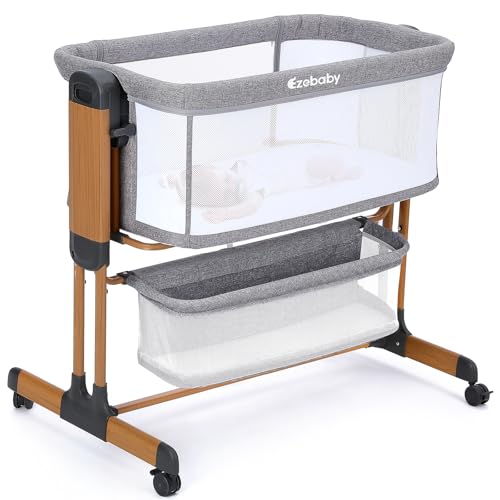
Ezebaby 3-in-1 Baby Bassinet Bedside Sleeper
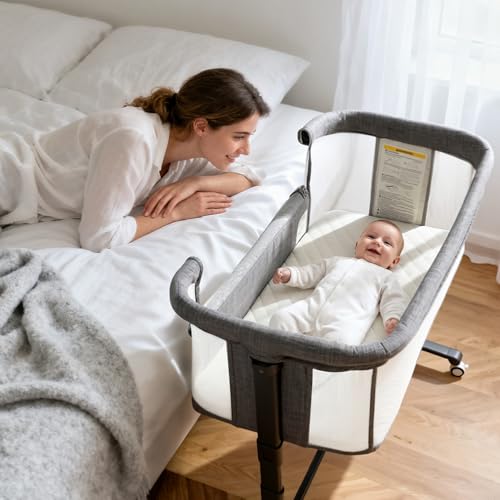
Kinder King Baby Bassinet Bedside Sleeper Grey

Jaoul 4 in 1 Baby Bassinet Bedside Sleeper Pink

Kinder King Baby Bassinet Bedside Sleeper Beige

Kinderkraft Cami 3 in 1 Convertible Travel Cot
The Strengths Of Each Pick
The Kinderkraft Nestee UP2 lands at the top of my list because it solves a problem most bassinets ignore: what happens after the first six months. The frame converts from a side-by-side sleeper to a standalone cot, so you’re not shopping for a second bed when baby outgrows the newborn stage. A steel skeleton anchors the structure, and the long legs give it a planted feel next to a tall adult mattress.
What I appreciate most is the drop-down wall, which makes those bleary 3 a.m. feeds a one-arm reach instead of a full lift out of a crib. Four wheels with brakes let you roll it from bedroom to living room for daytime naps, and five mattress height positions mean it lines up with most standard bed frames. The two incline angles are a quiet bonus for reflux-prone babies who sleep better slightly elevated.
Practical Pluses
- Converts from co sleeper to standalone cot, extending the usable lifespan well past the newborn phase.
- Five mattress heights and two incline angles cover most reflux and bed-height matching needs.
- Mesh side panels on all sides let airflow circulate and let you check on baby without leaning over.
- Steel frame with extended legs feels planted rather than wobbly during transfers.
Things To Consider
- The mattress is listed as physiotherapist-recommended but the included pad tends to be on the firm side, which some newborns take a few nights to settle into.
- At full size, this sleeper takes up more floor space than a compact bassinet, so smaller bedrooms may feel tight.
- Wheels roll well, but the brake pedal can be stiff at first until it wears in.
Who It Suits Best
Parents who want one piece of sleep gear that adapts from newborn co sleeping through the first year, and who have enough bedroom floor space to accommodate a full-size frame.
Where Another Pick Suits Better
The Kinderkraft Cami 3 in 1 Convertible Travel Cot fits parents who need the sleeper to collapse for frequent travel or visits to grandparents, where this Kinderkraft Nestee UP2 is heavier and less portable.
The BIERUM bedside bassinet earns its spot here because of one specific number: seven height positions. Most bassinets offer three to six, and that gap matters when your bed frame is unusually tall, unusually short, or adjustable in ways the manufacturer didn’t anticipate. A steel-alloy frame keeps the structure solid through every height shift.
Lockable wheels handle the moving-around routine without drifting across hardwood floors, and a large storage bag underneath swallows the burp cloths, swaddles, and extra diapers you reach for at midnight. Assembly is tool-free, which is a real gift at 38 weeks pregnant. The 100% polyester fabric is lightweight enough to wipe clean but soft against baby’s skin.
Features That Help
- Seven height positions cover more bed frame styles than the typical three or four-step competitor.
- Lockable wheels and tool-free assembly make setup and relocation practical for non-DIY parents.
- Underneath storage bag keeps nighttime supplies within arm’s reach of the sleeper.
- Steel-alloy frame with a triangular structure feels secure during transitions and diaper changes.
Worth Noting
- Height range is broad but the specific minimum and maximum aren’t published, so measuring your bed first is wise.
- Polyester fabric, while soft, can hold odors longer than natural fibers between washes.
Feature Snapshot
Made For
Parents with non-standard bed heights, adjustable bases, or tall platform frames where a typical four-step bassinet simply won’t line up flush with the mattress.
Skip It When
The Kinder King Baby Bassinet Bedside Sleeper (Grey) suits parents who prefer a simpler six-step height range and want a tool-free fold for occasional room-to-room moves.
Ezebaby’s 3-in-1 leans into versatility, which is exactly what parents with fussy newborns need. The frame pulls triple duty as a co sleeper, a rocking bassinet, and a standalone crib. The rocking motion runs horizontally rather than arcing side-to-side, a detail that tends to feel gentler on baby’s vestibular system and easier on parents watching from the bed.
Mesh sides handle the airflow question, and the storage basket underneath is the kind of feature you stop noticing until you’re without it. Wheels at the base let the unit move between rooms, and the height adjustment keeps it aligned with most standard beds. For parents who aren’t sure which sleep mode they’ll prefer, having three in one unit removes the guesswork.
Why It Works Well
- Horizontal rocking motion is gentler than arc-style rocking and easier to supervise from the adult bed.
- Three modes (sleeper, rocker, crib) in one frame means no second purchase when baby outgrows the first setup.
- Mesh sides on the bassinet portion support airflow and let you check baby at a glance.
- Underneath storage basket keeps wipes, diapers, and sleep sacks organized within reach.
Points To Note
- Three-mode frames often involve more mechanical parts, which can mean more places to check during routine maintenance.
- Rocking mode locks into a fixed motion rather than responding to baby’s own movement, which some parents find limiting.
Right Fit For
Parents of babies who settle best with gentle, sustained motion and who want one piece of gear to flex between bedside and standalone modes without swapping frames.
Reach For A Different Pick When
The Jaoul 4 in 1 Baby Bassinet Bedside Sleeper (Pink) fits parents who want a four-mode convertible with a mosquito net for outdoor or travel use, which this Ezebaby model doesn’t include.
The Kinder King bassinet in grey is the sleeper I’d point a first-time parent toward without much hand-holding. It’s unfussy in the best way: six height positions, lockable wheels, and an anti-rust iron frame that holds up to the humid realities of a nursery. The grey fabric hides the kind of stains that white bassinets show after one spit-up incident.
Setup takes minutes without tools, and the one-foot brake locks the frame in place once you’ve aligned it with the bed. For parents who don’t want to study spec sheets and just need a reliable co sleeper that lines up with most sofas and standard bed frames, this is a sensible middle-of-the-road choice. The included mattress is basic but firm enough for safe newborn sleep.
The Practical Payoff
- Six height positions cover most standard bed and sofa heights for true side-by-side feeding.
- Anti-rust iron frame survives humid climates and repeated cleaning cycles.
- Tool-free assembly and fold make it travel-friendly for visits to family.
- Grey fabric hides everyday stains better than white or cream alternatives.
Honest Caveats
- The included mattress is functional but thin; some parents add a second pad for cushioning once baby reaches a few months old.
- Storage isn’t built in, so a separate caddy becomes necessary for nighttime supplies.
Quick Facts
Best Suited To
First-time parents who want a straightforward sleeper without extra modes or features to learn, and who value stain-hiding fabric in a shared bedroom.
Look Elsewhere When
The BIERUM Baby Bassinet (7 Height) suits parents who need more height steps than this Kinder King offers, especially for unusually tall platform beds.
Jaoul packs four sleep modes into one frame: crib, bedside sleeper, rocking cradle, and travel crib with mesh canopy. For parents who split time between home, grandparents’ house, and occasional outdoor naps in the backyard, that flexibility removes the need to own two or three separate units. The mesh mosquito net is the kind of detail you don’t appreciate until a summer evening brings out the bugs.
Five height positions line the sleeper up with most adult beds, and a 5-degree tilt option gently elevates baby’s head for congestion relief. Easy folding means it collapses for trunk storage without wrestling with the frame. The pink fabric is a specific choice rather than a universal pick, so this works best if the nursery palette already leans warm.
Practical Advantages
- Four modes (crib, sleeper, rocker, travel) consolidate gear that would otherwise require separate purchases.
- 5-degree tilt option helps with congestion and reflux without propping baby on loose pillows.
- Mesh canopy doubles as a mosquito net for outdoor naps and travel scenarios.
- Folding frame fits in most car trunks for weekend trips.
Factors To Consider
- Color is specific to pink rather than neutral, which limits long-term reuse for future siblings.
- Four-mode frames involve more hardware transitions; expect a brief learning curve when switching modes.
Who Should Grab It
Parents who split caregiving across multiple locations and want one sleeper to handle home, travel, and outdoor use without packing a separate travel crib.
A Better Fit Elsewhere
The Kinderkraft Nestee UP2 fits parents who plan to keep the sleeper in one room long term and want a more substantial two-in-one frame without the rocking and travel modes.
The beige version of the Kinder King bassinet shares the same six-height frame as its grey sibling but trades the darker fabric for a softer neutral that blends with most nursery palettes. If your room leans toward warm woods, cream walls, or earth tones, this color choice tends to disappear into the background rather than compete for attention.
The anti-rust iron frame, lockable wheels, and tool-free assembly stay identical to the grey version, which means the same reliable setup experience. For parents who want a sleeper that matches a lighter aesthetic without giving up structural basics, this is the same proven frame in a different fabric. Beige shows dust more readily than grey but hides spit-up stains about the same.
The Good Stuff
- Beige fabric blends with warm-toned nurseries and Scandinavian-style bedroom palettes.
- Same six-position frame as the grey Kinder King, so parents aren’t trading function for color.
- Anti-rust iron frame and tool-free fold hold up through humid climates and travel.
- Lockable wheels keep the sleeper planted once aligned with the bed.
Trade Offs
- Lighter fabric shows dust and lint more visibly than darker alternatives.
- Same basic mattress as the grey version, which some parents find too firm for older infants.
Whose Shelf It Belongs On
Parents setting up a warm-toned or neutral nursery who want the same proven Kinder King frame in a softer color that complements wood furniture and natural textiles.
Not Your Match When
The Kinder King Baby Bassinet (Grey) suits parents who prioritize stain-hiding over color matching, since darker fabric tends to hide everyday messes better.
The Kinderkraft Cami is the only sleeper in this roundup that genuinely stretches from newborn through toddler, which changes the math on long-term value. An upper bassinet level handles babies from birth until they start sitting up, and the lower floor level converts the same frame into a playpen or toddler cot that supports kids up to about 33 pounds.
The folding mattress with rigid base plate keeps the sleep surface firm, which matters more for newborn safety than plush cushioning. Polyester fabric wipes clean without fuss. Black trim gives it a more grown-up look than pastel alternatives, which helps if this cot lives in your living room or travels to hotels where aesthetics matter. For parents who want to skip buying a separate playpen down the road, the dual-level design earns its keep.
Key Advantages
- Two-level design covers birth through toddler, replacing both a bassinet and a separate playpen.
- Folding mattress with rigid base plate keeps the newborn sleep surface firm and supportive.
- Polyester fabric holds up to repeated cleaning without pilling or staining.
- Black trim reads more grown-up than pastel options, fitting shared living spaces.
Potential Drawbacks
- At toddler size, the frame takes up substantial floor space and isn’t easy to tuck into a corner.
- Conversion between levels requires reconfiguration, so it’s not as quick to switch as a single-mode bassinet.
Spec Overview
Built With In Mind
Parents who want one piece of sleep and play gear that grows from newborn co sleeping into a toddler cot, and who don’t mind reconfiguring the frame as baby develops.
Swap It Out When
The Kinderkraft Nestee UP2 fits parents who want a dedicated bedside sleeper without the playpen conversion, since this Cami is heavier and bulkier than simpler two-in-one co sleepers.
What To Weigh Before Choosing A Bedside Sleeper
Bedside cribs and co sleepers solve a simple problem, but the details decide whether they solve yours. Start by measuring your bed height from floor to the top of the mattress. A sleeper that won’t line up flush defeats the whole purpose, because you’ll be lifting baby over a gap instead of reaching across. Most models adjust between roughly 18 and 30 inches, but the exact range varies, so check the listed minimum and maximum against your actual frame.
Next, think about where the sleeper will live. If it stays in the bedroom for six months, a heavier frame with more features makes sense. If it moves between rooms, the car, and the grandparents’ house, a fold-flat design with lockable wheels earns its weight back in convenience. Parents who split caregiving across households should also weigh storage, since a bulky sleeper sitting in a corner for half the week isn’t doing anyone a favor.
Mattress firmness matters more than cushioning. Newborns need a firm, flat sleep surface, and the included pad on most bedside sleepers meets that standard. Skip any sleeper that ships with a plush or pillow-top mattress. Mesh sides are worth prioritizing for airflow and visibility, especially in warmer climates where babies overheat quickly under loose blankets.
Key Considerations Across These Picks
Mistakes Worth Dodging
The biggest miss parents make is measuring bed height after the mattress arrives. A sleeper that lines up perfectly with the frame at noon often sits too low once you add a thick mattress topper. Measure with the actual bedding in place, and account for any mattress protector or pad that adds height. Another common slip is buying the lightest, most portable model assuming it’ll handle daily bedroom use. Fold-flat travel frames work for weekends away, but daily transfers in and out of a flimsy frame add up fast.
Where The Extra Money Goes
Premium-tier sleepers typically earn their price with convertible frames that extend usable life, denser steel rather than lightweight alloy, and smoother wheel mechanisms that hold up over years of rolling. The Kinderkraft Nestee UP2 and Kinderkraft Cami sit at the top tier in this list because both convert past the newborn stage. Spending more usually means fewer replacement purchases down the road, especially for parents planning a second child within a few years. The honest read is that for first babies who may outgrow a bassinet quickly, the upgrade pays off when the same frame handles stage two as well.
Frequently Asked Questions
How Long Can A Baby Sleep In A Bedside Co Sleeper?
Most bedside sleepers are designed for newborns up to about five or six months, or until baby starts pushing up on hands and knees. Convertible models like the Kinderkraft Cami extend that window by adding a lower toddler level.
Are Bedside Sleepers Safer Than Bed Sharing?
A properly attached bedside sleeper keeps baby on a separate, firm sleep surface within arm’s reach, which removes the soft bedding and rollover risks that come with bed sharing. Always follow the manufacturer’s strap and height instructions to keep the sleeper flush with the adult mattress.
What Age Should A Baby Stop Using A Bedside Sleeper?
Babies typically transition out around five to six months when they become more mobile. Signs it is time to move on include baby pulling to standing, sitting up unassisted, or showing signs of climbing out.
Can I Use A Bedside Sleeper For Daytime Naps Too?
Yes, most parents roll the sleeper to the living room during the day for supervised naps. Lockable wheels keep it stable on hardwood or tile, and mesh sides make it easy to keep an eye on baby while you work nearby.
Do I Need A Special Mattress For A Bedside Sleeper?
Use only the mattress that ships with the sleeper or one the manufacturer specifically approves. Third-party mattresses can change the fit of the frame or create gaps along the drop-down wall that pose safety risks.
Closing Remarks
Bedside sleepers all promise the same thing, but the right one depends on your bed, your room, and how long you plan to use it. Taller frames need more height positions, traveling families need fold-flat designs, and parents planning long-term use get more value from convertible models that stretch past the newborn stage. Match the sleeper to your actual setup rather than the feature list, and the midnight feeds get noticeably easier.