Buying a bed and mattress as a bundle should make life easier, not harder. The catch is that “bundled” can mean anything from a sturdy steel foundation paired with a plush hybrid to a lightweight tri-fold that hides in a closet. I’ve sorted through six solid options across different sleep setups, room sizes, and budgets so you can pick the combination that actually fits your space and your sleep style.
The Essentials At A Glance

Best Price Mattress 18 Inch Metal Platform Bed Steel Slat Foundation
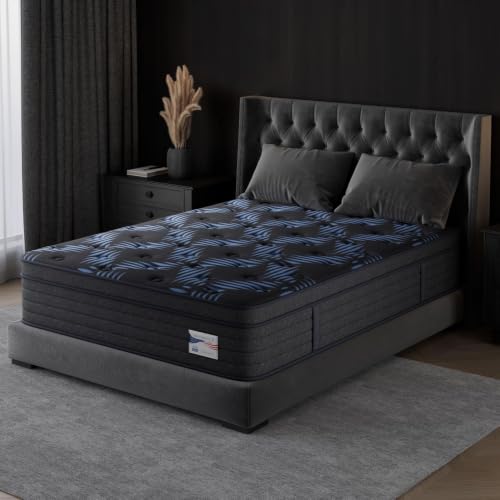
Nedersal 10 Inch Full Medium Firm Hybrid Mattress in a Box

Yaheetech 8 Inch Twin Cooling Gel Memory Foam Mattress
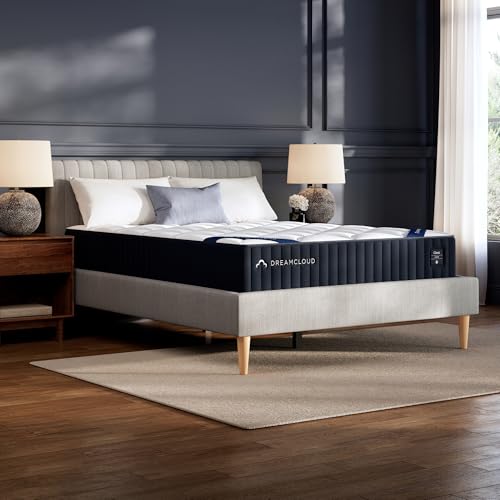
DreamCloud Classic 12 Inch Full Hybrid Memory Foam Mattress

Nedersal 14 Inch Queen Cooling Hybrid Mattress
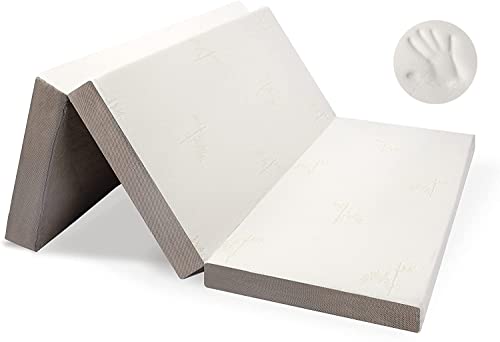
Milliard Queen Trifold Memory Foam Mattress with Washable Cover
A Breakdown Of The Leading Choices
Starting with the foundation rather than the mattress makes sense because everything else rests on it. The Best Price Mattress 18-inch platform replaces the traditional box spring entirely, using a steel slat system that distributes weight across the frame rather than concentrating it at a few points. For anyone setting up a guest room, a first apartment, or a dorm-style space, that means fewer parts to buy and fewer chances of a wobbly leg three months in.
At 18 inches off the floor, this frame leaves substantial under-bed clearance, which is genuinely useful in smaller bedrooms where storage bins need a home. Owners commonly report that the steel construction feels noticeably sturdier than wood-frame alternatives in the same size class, and the matte black finish tends to blend with most decor schemes without looking industrial.
The Practical Payoff
- Steel slat design removes the need to buy a separate box spring, trimming setup cost.
- Heavy-duty frame build tends to handle heavier mattresses (latex, dense foam) without flexing.
- 18-inch profile creates real storage space underneath, not just decorative clearance.
- Black finish pairs easily with wood, painted, or upholstered bedroom sets.
Honest Caveats
- Assembly can run longer than expected on first pass; budget a clear hour with a second helper.
- Steel frames transmit more vibration than wood, which matters in shared sleep setups.
Who It Suits Best
This frame is a smart pick for anyone building out a full or queen bedroom from scratch and wanting a foundation that won’t need replacing in a couple of years.
Look Elsewhere When
The DreamCloud Classic 12″ Full Mattress is a better starting point if you’d rather pair your foundation with a ready-made sleep surface in one decision.
Hybrid mattresses (foam layers stacked over pocket coils) tend to land in the sweet spot for households where one person sleeps hot and the other wants pressure relief. The Nedersal 10-inch full pairs gel-infused foam with zoned pocket coils that are firmer through the lumbar region, which is the area most people complain about after a bad mattress. The “medium firm” label here is a real-world middle, not a marketing soft-firm disguise.
It arrives compressed in a box, which matters in apartments with narrow stairways or buildings without freight elevators. Once unrolled, the CertiPUR-US and Oeko-Tex certifications address the indoor-air-quality concern that’s worth raising with any new foam mattress. Compared to the Yaheetech twin earlier, this one trades single-sleeper compactness for a proper two-person full-size layout.
What It Does Well
- Zoned pocket coils add firmer support through the lumbar region, easing lower-back pressure.
- Bed-in-a-box shipping makes it realistic for upstairs apartments and tight hallways.
- Gel foam helps dissipate heat better than traditional memory foam.
- Foam certifications address off-gassing and material safety concerns.
Trade Offs
- At 10 inches, the profile is thinner than the 14-inch Nedersal queen reviewed later, so heavier sleepers may want more depth.
- Full size limits partner space compared to queen or king options.
Quick Facts
Best Suited To
Side and combination sleepers in full-size bedrooms will get the most out of the zoned lumbar support and balanced firmness.
Swap It Out When
The Milliard Trifold Mattress is the better call for households that need a guest-ready bed that disappears into a closet between visits.
Twin-size mattresses occupy a specific lane: kids moving out of cribs, college setups, and single-adult studios. The Yaheetech 8-inch twin handles all three without trying to be a family centerpiece. The three-layer foam construction pairs a gel-infused top layer with denser base foam underneath, which keeps the price approachable while still addressing the heat-retention complaint that plain memory foam earned years ago.
The OEKO-TEX-certified knitted cover is a meaningful detail for kid and teen rooms where skin contact is constant. At 8 inches, this is on the thinner side compared to the 10-inch Nedersal hybrid and the 14-inch queen later in this list, so for adults over 200 pounds the support may feel shallow. For its intended audience, though, the depth is plenty.
The Good Stuff
- Gel memory foam top layer reduces the “stuck in a crater” feeling and sleeps cooler than traditional foam.
- Three-layer build separates comfort from support instead of using one foam density throughout.
- Compact twin footprint fits bunk beds, daybeds, and tight dorm layouts.
- Knitted cover is removable-friendly and OEKO-TEX certified for skin-contact safety.
Points To Note
- 8-inch depth may feel too thin for adult sleepers over 200 pounds.
- Twin size is too narrow for couples or anyone who spreads out while sleeping.
- Spot cleaning only on the cover tends to require more care than washable alternatives.
Right Fit For
Parents setting up a kid’s room or students furnishing a dorm will find this size and thickness hits the practical mark without overspending.
A Better Fit Elsewhere
Side sleepers who want deeper cushioning should look at the Nedersal 10 Inch Full Medium Firm Hybrid Mattress instead.
The DreamCloud Classic earns its place here for one detail most competitors skip: the cashmere-blend quilted cover. That single layer changes how the bed feels in the first ten seconds, before any of the foam or coil engineering comes into play. Underneath the cover sits gel memory foam and a pocket coil base, which gives the “firm feel” label actual structural meaning rather than just calling a soft bed firm.
This is a 12-inch profile, sitting between the 10-inch Nedersal hybrid and the 14-inch queen that appears next on the list. For stomach and back sleepers, the firm feel with cashmere softness up top addresses the common complaint that firm beds feel like sleeping on a board. The CertiPUR-US certified foams also matter for households that care about indoor air quality during those first weeks of off-gassing.
Standout Benefits
- Cashmere-blend quilted top adds a soft, cool-to-the-touch surface without sacrificing firm support underneath.
- Hybrid construction balances pressure relief with traditional innerspring push-back.
- Firm feel suits stomach and back sleepers who find softer hybrids let their hips sink too far.
- Cooling fibers woven into the cover help regulate surface temperature overnight.
Worth Noting
- Firm feel is too aggressive for strict side sleepers under 150 pounds.
- Full size may feel cramped for couples sharing long-term.
- Cashmere blend requires gentler cleaning methods than standard polyester covers.
Made For
Back and stomach sleepers who want firm spinal support with a touch of surface softness will appreciate how this mattress balances both.
Not Your Match When
The Nedersal 14 Inch Queen Cooling Hybrid Mattress is the smarter reach for anyone building out a primary bedroom that needs more depth and queen-size width.
Stepping up to 14 inches is a real change in feel, not just a spec bump. The extra height adds more foam between the sleep surface and the coil layer, which translates to deeper pressure relief for shoulders and hips. The Nedersal queen combines individually wrapped pocket coils with cooling gel memory foam in a layered build, and the individually wrapped coil design matters for anyone sharing the bed: motion from one side stays localized instead of rippling across.
Queen size is the most common primary-bedroom configuration in U.S. homes, and at 14 inches this mattress sits at the height range where standard sheets fit without special deep-pocket shopping. Compared to the Yaheetech twin, the difference is night and day: this is built for two adults sleeping nightly, not for one student or child. It’s also noticeably thicker than the DreamCloud Classic and the 10-inch Nedersal reviewed earlier.
Well-Handled Touches
- 14-inch profile creates the deep-cushion feel that side sleepers and combination sleepers tend to prefer.
- Individually wrapped pocket coils reduce motion transfer across the mattress surface.
- Queen footprint fits standard primary bedrooms without dominating the room.
- Layered cooling gel memory foam addresses heat retention common in dense foam builds.
Practical Considerations
- 14-inch height requires deep-pocket sheets, which are easy to overlook when budgeting.
- Heavier weight makes moving or rotating the mattress a two-person job.
- Hybrid construction costs more than all-foam alternatives at similar thicknesses.
Feature Snapshot
Whose Shelf It Belongs On
Couples furnishing a primary bedroom and anyone upgrading from a worn 8 or 10-inch mattress will find the thickness and queen footprint hit the standard target.
Reach For A Different Pick When
Households with limited bedroom storage should consider the Best Price Mattress steel foundation above paired with a thinner mattress, instead of stacking this much height.
The trifold mattress solves a specific problem that standard beds can’t: where do guests sleep when there’s no guest room? The Milliard queen folds into a roughly 27-inch-wide slab that slides into a closet, behind a couch, or into an RV storage compartment. At 6 inches thick, it’s thinner than any of the other mattresses on this list, but the memory foam composition is the key detail. Memory foam (a viscoelastic polyurethane that softens with body heat) contours under weight and recovers its shape once unfolded.
For RV travel, camping setups, or studio apartments where the bed doubles as seating during the day, the tri-fold format is genuinely practical. The washable cover addresses the other common concern: guest bedding collects sweat and spills, and being able to toss the cover in a normal wash cycle keeps the mattress itself in better shape over time. At 78 by 58 inches in queen footprint, it’s a true queen when unfolded, not a downsized approximation.
Useful Highlights
- Tri-fold design collapses to a narrow storage footprint when not in use.
- Washable cover simplifies post-guest cleanup and routine maintenance.
- Memory foam construction contours to body shape for a softer sleep surface.
- Versatile for guest rooms, RV travel, sleepovers, and tent camping.
Small Caveats
- 6-inch depth is too thin for nightly primary-bedroom use by most adults.
- Floor placement means no under-bed storage underneath when set up.
- Memory foam retains more heat than the gel-infused hybrids on this list.
- Repeated folding creates permanent creases in the foam over time.
Who Should Grab It
Anyone hosting occasional guests in a studio, RV owners who need a real-bed alternative, and families wanting a sleepover-ready option will get the most from this format.
Where Another Pick Suits Better
The Best Price Mattress steel foundation above is the smarter starting point if you need a permanent bedroom setup rather than a stowable guest surface.
Choosing The Right Bed And Mattress Combination
A few attributes matter more than brand reputation when pairing a foundation with a mattress. The first is size compatibility: frame, mattress, and sheets all need to match, and thicker mattresses (12 to 14 inches) require deep-pocket sheets that cost more and aren’t always stocked locally. The second is material honesty. Hybrid mattresses combine foam and coils, all-foam mattresses use layered polyurethane, and innerspring units rely on coil systems alone. Each behaves differently for motion transfer, temperature, and edge support.
For a primary bedroom, the 12 to 14 inch thickness range tends to hit the sweet spot for adult sleepers across positions. Side sleepers generally need deeper foam layers to cushion shoulders and hips, while stomach and back sleepers do better with firmer surfaces that keep the spine neutral. For guest rooms and occasional use, an 8 to 10 inch mattress handles the job without the extra cost, and a tri-fold option works when storage space matters more than nightly comfort.
Foundation choice deserves equal attention. Steel platform frames like the Best Price Mattress option deliver consistent support and remove the need for a separate box spring, which is the traditional but increasingly redundant layer that historically added height. Wood frames look warmer but may creak sooner, and adjustable bases (a different category entirely) cost more but allow head and foot elevation for reading or reflux relief.
Points Worth Weighing Before You Decide
Pitfalls Shoppers Hit
Buying a mattress without measuring the room, doorway, and stairway first is the most common error, especially with bed-in-a-box hybrids that arrive compressed but expand into genuinely large, non-negotiable rectangles once unrolled. Another frequent miss is assuming medium-firm means the same thing across brands; the Nedersal 10-inch and the DreamCloud 12-inch both carry that label, but the layered constructions feel noticeably different once you’re lying on them.
Where The Extra Money Goes
Stepping up from an 8-inch foam mattress to a 14-inch hybrid generally pays off in three places: deeper pressure relief for side sleepers, better motion isolation for couples, and improved edge support so the full surface area stays usable. The cashmere cover on the DreamCloud and the individually wrapped coils on the 14-inch Nedersal queen are the kinds of upgrades that show up after the first few months of sleep, not in the first ten minutes on a showroom floor.
Frequently Asked Questions
What size bed should I buy for a small bedroom? Twin and full sizes work well for rooms under 120 square feet, and a low-profile steel foundation keeps the visual weight down while leaving storage space underneath.
Do I still need a box spring with a platform bed? No, platform beds use slats or a solid surface to support the mattress directly, which is why a box spring is redundant and most manufacturers specifically advise against using one together.
How thick should a mattress be for side sleepers? Side sleepers typically benefit from mattresses at least 12 inches thick, since the extra foam depth cushions the shoulder and hip where pressure concentrates most.
Can a trifold mattress be used every night? Most adults find a 6-inch trifold too thin for nightly use; it’s better suited to occasional guests, travel, and short-term setups where portability matters more than long-term spinal support.
How long does a bed-in-a-box mattress take to fully expand? Most hybrids and foam mattresses reach full shape within 24 to 72 hours after unboxing, though sleeping on them sooner is generally fine once the corners have relaxed.
Final Verdict
The right bed and mattress combo depends on the room, the sleeper, and how often the bed actually gets used. Steel foundations and 14-inch hybrids anchor a primary bedroom well, while tri-fold and twin options cover guests, travel, and tighter spaces without crowding the budget. Match the size and thickness to the sleeper first, then let the materials follow.