The crib worked fine until the day your toddler figured out how to climb out, and now the whole room feels like a launchpad. Most parents hit this wall somewhere between 18 months and three years, and the gap between a tiny crib mattress and a full-size bed is bigger than it sounds. I put together this roundup for that exact moment, covering convertible cribs that grow with your child, low Montessori floor beds, stackable cots for daycare settings, and the foam and metal rails that bridge the gap when you skip straight to a family bed.
A Closer Look At The Lineup

Toddler Bed Bumper Guard Soft Foam Rail

Sprogs Heavy Duty Stackable Daycare Cots 18-Pack

NAMESAKE Abigail 3-in-1 Convertible Crib Gold
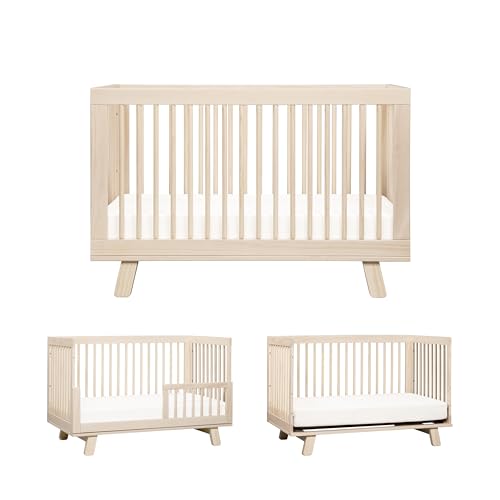
Babyletto Hudson 3-in-1 Convertible Crib Washed Natural

Storkcraft Sicily Convertible Crib with Mattress

JUNLLY 55.5″ Tall Toddler Bed Rail for Queen

EXPERLAM Twin Montessori Floor Bed Natural

babyletto Lolly 3-in-1 Convertible Crib White and Natural
Inside Each Recommended Option
When your child is already sleeping in a twin, full, or even queen-size bed, the gap between “toddler” and “big kid” is mostly about the fall, not the mattress. The Little Sleepy Head foam rail slips along the open side of the bed and acts like a cushioned bumper wall, so a restless sleeper who rolls into the edge meets soft foam instead of the floor. For most families moving straight from crib to family bed, the appeal is the gentle landing pad rather than a rigid metal bar.
The washable cover is the practical highlight, since accidents and night sweats are part of toddler life. The non-slip bottom keeps the barrier from sliding every time your kid climbs in or out. Compared to a hard rail, foam also means no cold metal against a small arm or leg. For RV travel or a shared parent bed, the smaller footprint works where traditional rails feel bulky.
What Pays Off
- Soft foam construction reduces injury risk for active rollers and wiggle-prone sleepers.
- Removable washable cover handles spills, accidents, and dust in one quick cycle.
- Fits twin, full, queen, and king mattresses, useful for households skipping a toddler bed entirely.
- Non-slip base keeps the guard from shifting when a child climbs in mid-night.
Points To Note
- Foam adds a softer barrier but does not lock into a frame like a metal rail, so extra-thick mattresses may leave a gap at the bottom.
- Not a substitute for a true toddler bed if your child is still a determined climber and needs a contained space.
Right Fit For
Toddlers graduating straight to a shared or family bed, where a soft edge buffer is enough to keep sleep safe.
Reach For A Different Pick When
You want a fully contained frame instead of a rail, in which case the EXPERLAM Twin Montessori Floor Bed gives a real enclosed sleeping space.
Most of this list targets the home nursery, but the Sprogs stackable cot set belongs in a different universe: classrooms, daycare rooms, and church nurseries where eighteen cots need to disappear into a closet by 2 p.m. The vinyl-coated mesh stretches over a 16-gauge steel frame, so each cot can handle up to 150 pounds of squirming preschooler. For a director ordering for a full toddler room, that bulk-friendly design saves hours of setup every day.
Copolymer corner blocks let the cots nest tightly, so storage in a small staff room is realistic instead of a logistical headache. The non-flammable mesh also clears the safety bar that most licensed childcare programs require. Compare that to a home Montessori floor bed like the EXPERLAM pick below, which prioritizes a single child’s independence over room-scale logistics.
Useful Strengths
- Stackable frame design keeps storage footprint small in tight staff rooms.
- Vinyl-coated mesh wipes clean after naps, which matters when accidents are routine.
- 16-gauge steel supports up to 150 pounds per cot for older toddlers and kindergarten-age kids.
- 18-pack configuration matches a full classroom, simplifying bulk purchasing.
Trade-Offs To Consider
- Institutional design is heavier and less cozy than a home crib, so it does not suit a bedroom setting.
- Bulk-pack sizing means it only makes sense for licensed programs or family-daycare operations.
Feature Snapshot
Made For
Daycare directors, preschool teachers, and licensed family childcare providers running structured naptime for a full room.
Skip It When
You’re setting up a home nursery for one child, since the babyletto Lolly 3-in-1 Convertible Crib is built for that everyday domestic use instead.
The Abigail crib is what you buy when the nursery has to look like it belongs in a magazine, not a daycare. The gold-finished hardware and clean silhouette turn the crib itself into a design feature, which is unusual in a category dominated by white-and-wood basics. For parents building a coordinated room around a particular palette, that styling flexibility is the main reason to spend up.
Beyond looks, the frame converts from a full crib into a toddler bed and then a daybed, so the piece stays in the room for years instead of being replaced at the first sign of climbing. Compared to the foam-rail Little Sleepy Head pick, this is a full furniture investment, while the rail is a small add-on for an existing bed. If you ever move the crib to a guest room later, the daybed configuration is genuinely useful.
A Few Strong Suits
- Convertible three-stage design stretches use from newborn to daybed, reducing the need to repurchase furniture.
- Gold hardware detail adds a styling anchor for a themed nursery without committing to a fully custom build.
- Daybed mode makes the piece useful in a guest room or older child’s room long after toddlerhood.
Honest Caveats
- Style-forward pricing usually runs higher than plainer convertibles like the Storkcraft Sicily bundle.
- Conversion requires a separate toddler rail kit, which adds an extra purchase to plan for.
Whose Shelf It Belongs On
Design-conscious parents who want the crib to anchor a curated nursery and stay useful as the child grows.
Look Elsewhere When
You want a softer, more rustic look, since the Babyletto Hudson 3-in-1 Convertible Crib in Washed Natural leans into a more casual aesthetic.
Babyletto’s Hudson sits in the comfortable middle of this list: more interesting than the entry-level white crib, but less flashy than the gold-accented Abigail. The washed natural finish gives the wood a soft, slightly weathered look that pairs with both neutral and color-saturated rooms. For a family expecting a second or third child, the three-stage convertible design is the practical draw, since the same piece handles infant, toddler, and daybed phases.
The mid-century silhouette also ages well, so a hand-me-down to a younger sibling doesn’t feel like a downgrade. Compared to the EXPERLAM floor bed, the Hudson keeps the traditional elevated-crib feel rather than introducing a low-to-the-ground Montessori layout. The trade-off is that you get a more familiar sleep experience for a child who isn’t ready for a full open floor bed yet.
Advantages To Know
- Three-stage conversion covers crib, toddler bed, and daybed without buying a separate frame each time.
- Washed natural finish blends into both modern and traditional nursery palettes.
- Sturdy mid-century build is well suited to multi-child households passing the crib down.
A Few Limitations
- Toddler-bed conversion still needs a compatible guardrail, which usually ships separately.
- Heavier frame than basic cribs, so rearranging the nursery takes more effort.
Feature Card
Best Suited To
Parents who want a long-term convertible crib that can be reused across multiple children without looking dated.
A Better Fit Elsewhere
Babies headed straight to a floor-bed setup will be happier in the EXPERLAM Twin Montessori Floor Bed, which skips the elevated-crib phase entirely.
Most convertible cribs are sold as a frame, and you end up hunting for a compatible mattress and toddler guardrail as separate add-ons. The Storkcraft Sicily bundle skips that scavenger hunt by shipping the crib, the toddler guardrail, and a 6-inch dual-sided waterproof mattress in one box. For first-time parents trying to check off a registry, that one-cart convenience is the headline win.
The frosted oat and driftwood finish lands in a warmer, more rustic-feeling palette than the Babyletto Hudson, which makes it a natural fit for nature-themed or earthy nurseries. The dual-sided mattress also grows with the child: a firmer infant side and a softer toddler side in the same pad. Compare that to the EXPERLAM floor bed, which assumes you already have a twin mattress and want a frame-only purchase.
Positive Takeaways
- Bundle includes the crib, toddler guardrail, and a dual-sided waterproof mattress for a complete setup.
- Convertible design transitions from crib to toddler bed to daybed as the child grows.
- Waterproof mattress cover makes middle-of-the-night accidents a wipe-down instead of a deep clean.
Practical Considerations
- Bundled mattress may be thinner than what a parent would pick independently, so check the height before adding a thick topper later.
- Style is more rustic than minimalist, so it may not blend into a sleeker nursery design.
Who Will Love This
First-time parents who want one order that covers the crib, mattress, and toddler rail without separate registry math.
Consider Something Else When
You already own a trusted crib mattress, since the babyletto Lolly 3-in-1 Convertible Crib covers the frame-only path at a similar quality tier.
Some toddlers are quiet, careful sleepers. Others treat every bed like a trampoline, and that second group is exactly who the JUNLLY tall rail is engineered for. The steel frame is rigid rather than springy, so a kid leaning hard against it during a midnight wiggle meets actual resistance instead of flex. The 25-inch height also clears a thick pillow-top mattress without leaving a gap at the top of the rail.
The folding hinge is the practical detail that makes this rail work for daily life, since parents can fold it down to make the bed for an adult without uninstalling the whole thing. For queen or king mattresses, the 55.5-inch run covers most of the open side. Compared to the soft foam Little Sleepy Head guard, this is the right pick for a child who already pushes and climbs rather than just rolls.
Key Advantages
- Rigid steel frame resists wobble and flexing when a child leans or shakes the rail.
- 25-inch height is tall enough to contain active sleepers on thick mattresses.
- Folding design lets the rail drop out of the way for adult bed-making.
- 55.5-inch length suits queen and king bed edges.
Points To Weigh
- Hard metal construction feels less forgiving than the Little Sleepy Head foam guard if a child does roll hard into it.
- Installation requires proper mattress weight to anchor the rail, so very light mattresses may need a tighter setup.
Who Should Grab It
Parents of active, climbing-prone toddlers who already sleep in a queen or king and need a serious barrier.
Not Your Match When
You’d rather skip the adult bed entirely and use a contained frame, since the EXPERLAM Twin Montessori Floor Bed is built for that purpose.
The Montessori approach treats the bed as a piece of the floor, not a raised enclosure, and the EXPERLAM twin floor bed is the most direct translation of that idea on this list. The frame sits low, with high guardrails and a latched door panel so the child can climb in and out independently without a parent hoisting them up each night. For families committed to the Montessori method, that autonomy is the whole point.
The solid wood build, ten slats, and a center support keel mean the frame can carry a real twin mattress without a box spring, so the bed feels substantial underfoot. Compared to the Babyletto Hudson convertible crib, this skips the infant-crib phase entirely and assumes the child is ready for a twin. The natural finish also keeps the visual weight light, which matters in a smaller bedroom where a dark, bulky frame would dominate the room.
What Stands Out
- Low-to-the-ground design lets toddlers get in and out independently, supporting Montessori-style independence.
- High guardrails and a latched door panel keep the child contained without a traditional four-sided crib look.
- Ten solid wood slats and a center keel support a twin mattress without needing a box spring.
- Natural wood finish keeps the visual footprint light in small bedrooms.
Some Limits To Know
- Lower profile means the child is closer to the floor, so a drafty room or cold flooring may need a rug under and around the bed.
Feature Rundown
Perfect Match For
Families following a Montessori sleep approach who want a real twin frame their toddler can enter and exit without help.
Swap It Out When
You still need a contained infant phase, since the babyletto Lolly 3-in-1 Convertible Crib starts from newborn and converts upward.
The babyletto Lolly is the everyday workhorse of the convertible crib world, and it earns the last slot honestly. Pine wood construction keeps the weight manageable for parents who actually have to move the crib between rooms, while the three-stage conversion covers infant, toddler, and daybed use. The included conversion kit is the part most competitors leave out, so the price covers the full transition path rather than a frame that needs extra purchases to be useful later.
The white-and-natural colorway is the most universally flexible finish on the list, pairing with pastel, primary, and neutral nurseries without clashing. Compared to the style-forward NAMESAKE Abigail, the Lolly is less of a statement piece and more of a quiet, reliable center of the room. For most families reading this roundup, that’s exactly the right balance.
Positive Points
- Included conversion kit moves the crib through infant, toddler, and daybed stages without extra purchases.
- Pine wood keeps the frame light enough for one parent to reposition during nursery rearranging.
- White-and-natural finish is the most versatile colorway for mixed decor.
Less-Strong Areas
- Pine is softer than hardwood alternatives, so scuffs and dents show more easily over years of use.
- Standard styling reads as functional rather than design-forward, so style-led shoppers may want the NAMESAKE Abigail instead.
Built With In Mind
Most families setting up a long-term convertible crib without strong style demands and who want one reliable frame that lasts through three stages.
Wrong Turns To Avoid
For a low-Montessori floor setup, the EXPERLAM Twin Montessori Floor Bed replaces the elevated crib phase entirely with a more open design.
What Matters Most Before Choosing Beds To Transition From Crib
Pick The Path That Matches Your Child’s Age and Independence
A child under 18 months usually still needs the containment of a traditional crib, even a convertible one, because they don’t have the judgment to step safely off a low frame. Between 18 months and three years, the Montessori floor bed and the convertible-toddler-bed paths both work, and the choice comes down to whether you want your child climbing in and out independently or staying within a rail. Kids closer to three with strong physical confidence often transition more smoothly to a low twin frame with a side rail, because the fall distance is short and the room feels grown-up. The catch is that a very young toddler in a low bed may wander the room unsupervised, which is a real consideration for parents of deep sleepers.
Match The Frame To Your Existing Mattress Situation
Convertible cribs are built around standard crib mattresses, and a low Montessori frame takes a twin, so the mattress you already own or plan to buy should drive the decision. The Storkcraft Sicily bundle solves the mattress problem at checkout, which is the easiest path for a first registry. Parents who already have a trusted crib mattress are usually better off with a frame-only choice like the babyletto Lolly or the Babyletto Hudson, since adding a bundled mattress means storing or returning the included one.
Rail Choice Depends on Sleep Style and Bed Size
Foam rails like the Little Sleepy Head guard are soft and forgiving, which works for quiet rollers in a family bed. Steel-frame rails like the JUNLLY 55.5-inch model are sturdier for active sleepers, and the extra height matters on a thick pillow-top queen where a shorter rail would leave a gap. Most parents don’t need both, but it helps to know which behavior pattern describes your child before buying.
Long-Term Reuse and Hand-Me-Down Value
A convertible crib that goes through three stages typically outlasts a toddler bed, since the daybed mode is useful for a guest room or older sibling long after toddlerhood. Multi-child households get the strongest return on the higher-end convertibles like the Hudson and the Lolly, because the same frame passes down without rebuying. A floor bed is less reusable in that sense, but it ages naturally with a child who wants a real twin earlier than expected.
Key Considerations Across These Picks
Common Shopping Slip Ups
The biggest mistake in this category is buying a convertible crib without confirming that the toddler-bed conversion rail is included or compatible, since several frames on the market ship without one. Another slip is choosing a floor bed for a child under 18 months, when the open frame can become a wandering risk before the child understands the boundary. Finally, parents often assume a single bed rail fits any mattress thickness, when in fact rail height matters most on a tall pillow-top where a standard rail leaves a dangerous gap above the mattress surface.
The Case For Spending Up
Higher-tier convertibles like the babyletto Lolly and the Babyletto Hudson include the toddler conversion kit, use sturdier joinery, and offer finishes that age well into a second child’s room. The extra cost also tends to buy lower chemical emissions in the finish, which matters for an infant sleeping ten to twelve hours a day on the surface. For parents planning more than one child or a long nursery phase, that upgrade usually pays for itself by skipping a replacement purchase later.
Frequently Asked Questions
When should my child move from a crib to a bed?
Most children make the move between 18 months and three years, and the most common trigger is climbing out of the crib rather than age alone. If your child hasn’t climbed out by age two and a half, many pediatric sleep guides suggest making the move before the climbing starts, so the change feels intentional instead of reactive. A convertible crib lets you time the transition to your child’s readiness rather than to a specific birthday.
Is a floor bed safe for a toddler?
Floor beds are considered safe when the child is developmentally ready to understand the bed boundary, usually around 18 months, and the room is toddler-proofed. The main safety work happens outside the bed: covering outlets, anchoring furniture, and keeping small objects off the floor. Parents of younger toddlers sometimes prefer a low frame with guardrails for the same contained feel without the full Montessori open-frame setup.
Do I need a guardrail on a toddler bed?
Most toddler beds include a built-in headboard and footboard with open sides, and a guardrail is what closes the open side. Without a rail, a restless sleeper can roll onto the floor, which is the main reason the rails in this roundup exist. A rail becomes optional only after the child consistently stays on the mattress through the night, which varies by child.
How long does a convertible crib last?
Convertible cribs typically last from newborn through roughly age four or five, covering infant crib, toddler bed, and daybed stages. The daybed mode extends useful life further by serving as a reading nook or guest bed into the early elementary years. After that, the frame usually retires or moves to a hand-me-down household.
What mattress size fits a toddler bed?
Toddler beds use a standard crib mattress, while Montessori-style twin floor beds use a regular twin mattress. The Storkcraft Sicily bundle ships with a 6-inch dual-sided waterproof mattress sized to fit its included crib, which simplifies the first-time setup. Parents who already own a crib mattress should measure the interior dimensions before pairing a new frame.
The Takeaway
The right bed depends less on your child’s age and more on how independent you want them to feel at night. Convertible cribs like the babyletto Lolly and the Babyletto Hudson keep the familiar containment of a crib while opening a clear path to a toddler bed and a daybed. A low frame like the EXPERLAM twin floor bed trades that containment for independence, and rails like the JUNLLY or the Little Sleepy Head guard fill the gap when a child is sleeping in a full adult bed. Pick the path that matches your child’s sleep personality, and the rest of the transition tends to follow.