When someone in my family started needing more support getting in and out of bed, I realized the right setup can change daily life. A bed isn’t just a place to sleep; it affects breathing at night, the risk of a fall, and how much help a caregiver has to offer. The picks below balance adjustable positioning, sturdy rails, and bedside aids that match real household needs.
A Snapshot Of The Selections

Sven & Son Classic Adjustable Bed Base Twin XL

Bed Rails for Elderly Adults Safety 350lbs
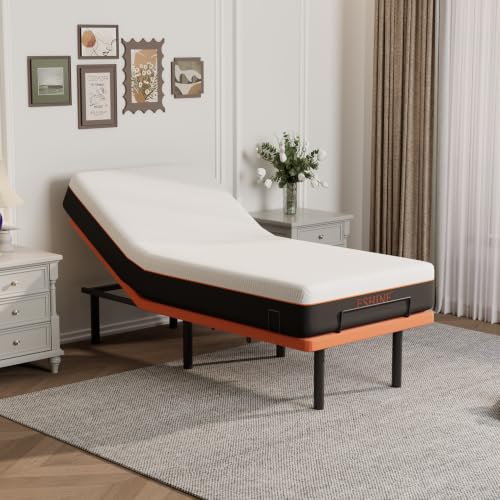
ESHINE Adjustable Bed Frame with Mattress Twin XL

Foldable Bed Side Rails for Elderly

Bed Rails for Elderly Adults 400 lbs Capacity
L1 Stand Assist Rail for Couch

L2 Stand Assist Aid for Elderly

Point A PAM-3 Premium Full Electric Hospital Bed
More Details On Our Top Picks
The Sven & Son Classic is built around the kind of full-range adjustability that older adults actually use, not just spec-sheet features. Head elevation reaches roughly 75 degrees, which makes reading, watching TV, or eating breakfast in bed far easier on the neck and shoulders. Foot articulation tops out near 45 degrees, so anyone with swollen legs or poor circulation can keep their lower limbs comfortably elevated through the night.
Zero Gravity positioning, a memory-equipped remote, under-bed lighting, and built-in USB ports round out the package. Massage motors are included in the frame, which can be a small comfort after a long day for someone managing stiffness.
Benefits That Matter
- Head and foot lift creates easier in-and-out transitions and better breathing at night.
- Memory presets let two people save their favorite positions on the same remote.
- Under-bed lighting reduces the trip-hazard moment during late-night bathroom runs.
- USB ports eliminate the hunt for a wall outlet to charge a phone or reading light.
- Massage motors provide gentle relief for tight lower backs after long days.
Trade Offs
- Assembly takes time, and the frame is heavy enough that two adults make it easier.
- At Twin XL, the sleeping surface is longer than standard Twin but narrower than a Full.
Key Specs
Who Will Love This
Older adults who want genuine full-range adjustment plus modern conveniences like USB charging and nighttime lighting in one frame.
Look Elsewhere When
The NIMOOD Foldable Bed Side Rails suit caregivers who need the rail to drop flat for transfers rather than an adjustable frame.
This NIMOOD rail goes beyond a basic grab bar by adding a motion-sensing night light and an attached storage pocket. Older adults waking at 2 a.m. for the bathroom often misjudge distances in the dark, and an auto-illuminating bedside strip removes a real source of falls.
The rail supports up to 350 pounds and includes both a C1F and C1F Pro configuration depending on which folding option fits the bed. The pocket keeps a phone, glasses, and a remote within arm’s reach without cluttering the nightstand.
Real Benefits
- Motion-sensor lighting is genuinely useful for nighttime bathroom trips.
- Side pocket cuts down on reaching across the bed for everyday items.
- 350 lb capacity covers a wide range of adult users.
- Folding design lets the rail drop out of the way during sheet changes.
Points To Keep In Mind
- Sensor lighting depends on the night-light staying powered and the bed being in range.
- Compatibility varies by mattress thickness, so measurement before ordering pays off.
Right Fit For
Seniors who frequently get up at night and want soft ambient lighting plus a secure handhold at the bedside.
Swap It Out When
The Sven & Son Adjustable Bed Base suits households that want the whole bed to articulate rather than just adding a side rail.
Pairing an adjustable frame with the right mattress is half the battle, and ESHINE ships the two together so nothing is mismatched. The E2000 frame lifts the head up to about 55 degrees and the foot section up to 42 degrees, both ranges that work well for reading, reflux, and leg elevation.
The bundled gel memory foam mattress is roughly 10 inches thick, which gives enough cushion for side sleepers while keeping the profile low enough for safe transfers. Assembly is reportedly quick, which matters when caregivers are setting up the room themselves.
Strengths Worth Knowing
- Frame and mattress arrive together, eliminating compatibility guesswork.
- Gel memory foam helps regulate temperature for those who run warm at night.
- Both head and foot sections adjust to meaningful angles for daily comfort.
- Twin XL footprint works well in narrower bedrooms.
Worth Bearing In Mind
- Mattress firmness is fixed, so shoppers who prefer a specific feel can’t customize.
Best Suited To
Households upgrading from a flat platform bed to a full adjustable setup without juggling two separate orders.
Not Your Match When
The Point A PAM-3 suits households needing full clinical-grade height adjustment that the ESHINE frame doesn’t offer.
Where the previous NIMOOD rail leans on smart features, this folding version focuses on caregiver access. The orange release bar lowers the rail in seconds, which makes helping someone sit up, reposition, or transfer to a wheelchair dramatically easier. Caregivers frequently report that a fixed rail becomes an obstacle during daily routines.
A reinforced steel frame supports up to 350 pounds, with dual floor legs and adjustable feet that stabilize the rail on uneven floors. The widened handrail gives more grip surface than a narrow bar, which helps users with reduced hand strength.
The Good Stuff
- Quick-fold design saves caregiver effort during transfers and bed changes.
- Reinforced steel frame handles heavier users reliably.
- Wide grip area accommodates hands with arthritis or reduced grip strength.
- Adjustable feet compensate for uneven flooring common in older homes.
Trade-Offs To Consider
- Folding mechanism adds moving parts that occasionally need a check for tightness.
- Larger footprint may not suit very narrow twin beds in tight rooms.
Feature Snapshot
Made For
Caregivers who need fast, clear bedside access for transfers and repositioning throughout the day.
Skip It When
The NIMOOD 400 lb Bed Rails suit heavier adults who want a permanent, non-folding handhold with higher weight capacity.
This NIMOOD rail skips the folding mechanism in favor of a more permanent installation, which translates to higher weight capacity and a more solid feel under load. The 400-pound rating covers larger adults and anyone who uses the rail heavily throughout the night for repositioning.
Two extension legs with non-slip feet press firmly into the floor, while a reinforced under-mattress plate keeps the rail from shifting when someone pulls on it to stand. The wide handrail spans more surface for a confident grip.
Where It Delivers
- 400 lb capacity handles heavier users without flexing.
- Non-slip feet grip both carpet and hard flooring.
- Wide handrail suits hands with reduced grip strength.
- Stable design stays put when pulled repeatedly during the night.
Less Ideal Details
- Non-folding design blocks caregiver access during transfers.
- Heavier frame is harder to remove for cleaning underneath.
Technical Sheet
Perfect Match For
Heavier adults who want maximum stability and don’t need the rail to fold for caregiver transfers.
Another Choice May Suit
The NIMOOD Foldable Bed Side Rails work better for caregivers who regularly need the rail to drop flat.

The bedroom gets most of the attention, but the living room chair is where many older adults spend their waking hours, and the L1 targets that exact spot. Dual ergonomic handles give two different grip heights, so the user can grab high to push up or low to pull forward during the sit-to-stand motion.
Multi-directional adjustability lets the rail fit under most sofas and standard chair frames. The L1 is FSA/HSA eligible, which helps households using flexible spending accounts for mobility purchases.
Notable Gains
- Two grip heights match the natural sit-to-stand motion.
- Adjustable base fits under most standard couches and chairs.
- FSA/HSA eligibility simplifies reimbursement paperwork.
- Compact footprint stores beside the furniture without crowding the room.
Small Caveats
- Not suitable for recliners with fixed frames.
- Cushion depth on very plush sofas can affect stability.
Feature Rundown
Whose Shelf It Belongs On
Older adults who spend long hours in a living room chair and want a steady handle for standing without a caregiver’s arm.
Reach For A Different Pick When
The L2 Stand Assist Aid suits shoppers who need a lighter, more portable option for travel or occasional use.
The L2 is the lighter sibling to the L1, designed for portability and occasional use. Older adults visiting family, recovering from a short hospital stay, or simply needing a grab point in a secondary chair often find a heavy-duty rail excessive.
Setup requires a couch or chair with removable cushions, so the frame can slide beneath the seat for stability. The dual ergonomic handles again support the natural standing motion without straining the wrists.
Real-World Strengths
- Lightweight frame is easy to move between rooms or pack for visits.
- Lower profile fits furniture styles where a chunkier rail looks out of place.
- Same dual-grip ergonomics as the L1 in a smaller package.
- Helpful during short-term recovery when a permanent install is overkill.
Some Limits To Know
- Not suitable for recliners with non-removable cushions.
- Lower weight threshold than the L1 means heavier adults should test before committing.
Built With In Mind
Seniors who need a portable standing aid for travel or short-term recovery rather than a permanent living room install.
Consider Something Else When
The L1 Stand Assist Rail suits daily-use living rooms where heavier support and broader adjustability matter more.
For households managing full-time care at home, a consumer adjustable base may eventually feel limiting. The Point A PAM-3 is a true hospital-style bed with three-function electric controls, raising and lowering head, foot, knee, and overall height between roughly 15 and 24 inches.
LINAK motors, engineered in Denmark, run quietly and smoothly, which matters during nighttime adjustments. Individual-locking 5-inch casters let caregivers roll the bed for cleaning and lock it firmly in place. A 4.7-inch USA-made foam mattress, a tray, and two sheets ship in the box.
Positive Takeaways
- Three-function controls include bed height adjustment, useful for caregiver ergonomics.
- LINAK motors are widely used in clinical settings and run quietly.
- Locking casters make repositioning for cleaning or transfers manageable.
- Bundled mattress, tray, and sheets remove the accessory hunt.
Practical Considerations
- Hospital-bed footprint dominates a bedroom and may not blend with residential decor.
- Higher complexity means more components that benefit from periodic checks.
Feature Card
Who Should Grab It
Families managing full-time home care who need clinical-grade height and positioning flexibility beyond a standard adjustable base.
A Better Fit Elsewhere
The Sven & Son Adjustable Bed Base fits households that want modern adjustable comfort without the full hospital-bed footprint.
What Matters Most Before Choosing Beds For Elderly At Home
Start With The Person, Not The Product
The right bed setup depends heavily on mobility level, sleep habits, and whether a caregiver is involved daily. An older adult who walks independently but struggles with stairs benefits most from a stable rail and an adjustable base. Someone who needs full transfers or has limited mobility may need the height range of a clinical-style bed. Matching the bed to the person prevents both overspending and under-supporting.
Mobility Aids Go Beyond The Bed Frame
Rails, stand assists, and grab bars do different jobs. A bedside rail helps with nighttime repositioning, while a living room stand-assist handles the chair-to-standing motion that occurs many times a day. Households often benefit from combining a bed-focused product with a chair-focused product rather than trying to solve both with one item.
Look At The Practical Details
Mattress thickness matters because rails attach under the mattress and need clearance to grip firmly. Floor type affects which non-slip feet work well, and bedroom door width affects whether a clinical bed can actually fit in the room. Small measurements taken before ordering save the headache of returns later.
Long-Term Care Considerations
Caregivers should consider how a bed or rail setup affects their own body. A bed that adjusts in height, like the Point A PAM-3, reduces back strain during transfers. Folding rails let caregivers get closer during repositioning without working around a fixed bar. Choosing equipment that protects both the user and the caregiver tends to last longer in a household.
Key Considerations Across These Picks
Common Shopping Slip Ups
Many shoppers pick a rail based on weight capacity alone and overlook mattress compatibility. A rail that doesn’t fit the mattress thickness will shift under load, which defeats the purpose. Others order a full electric hospital bed for someone who only needs the head section to lift, ending up with a more complex setup than necessary.
What The Higher Tier Buys
Premium adjustable bases add features like massage motors, memory presets, and under-bed lighting that consumer models skip. Hospital-grade beds add height adjustment and locking casters that make caregiver transfers dramatically easier. The upgrade is worth it when someone uses the bed daily and caregivers need ergonomic help, but for occasional use a basic adjustable frame may be plenty.
Frequently Asked Questions
What bed height is safest for elderly users?
A bed height near knee level makes standing easier. Adjustable bases that go down to roughly 15 inches help shorter users, while taller users benefit from higher settings that reduce stooping.
Are bed rails safe for people with dementia?
Rails can help with falls but may create entrapment risks for some users. Caregivers should consult a healthcare professional and consider folding designs that allow quick access.
How do I choose between an adjustable base and a hospital bed?
Adjustable bases suit users who need positioning comfort but can still transfer independently. Hospital beds suit full-time care situations where height adjustment and caregiver ergonomics matter.
Do gel memory foam mattresses help with nighttime temperature?
Yes. Gel memory foam draws heat away from the body better than traditional memory foam, which helps users who wake up warm. The trade-off is slightly less body-conforming feel.
Can stand-assist rails fit any chair?
No. They require chairs or sofas with removable cushions so the frame can slide beneath the seat. Recliners with fixed frames usually don’t work.