Outfitting bedrooms with bunk beds changes how a shared room feels. I picked out six layouts that handle sleepovers, homework nooks, and small floor plans without crowding the room. Some lean playful, others stay minimalist, but each one solves a specific bedroom puzzle.
The Shortlist At A Glance

BTHFST Low Loft Bed Twin with 6 Storage Drawers and LED Lights
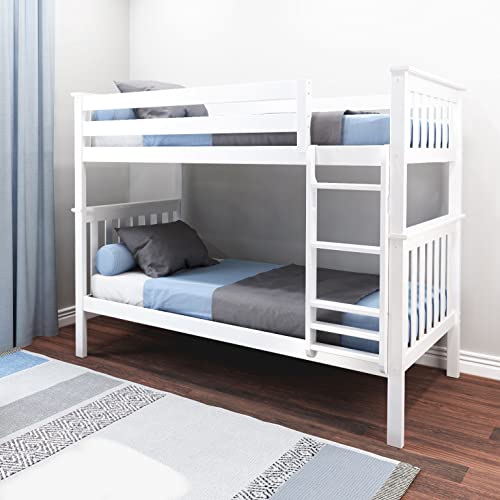
Max & Lily Twin Over Twin Solid Wood Bunk Bed (White)

Max & Lily Scandinavian Twin Over Twin Low Bunk Bed (Black)

Max & Lily Low Bunk Bed with Slide and Ladder (White)

Max & Lily Fundamental Twin Low Bunk Bed (Pecan)

Max & Lily Twin-Over-Twin Bunk Bed with Trundle (White)
The Strengths Of Each Pick
Where most loft beds hand you empty floor space, this one fills it. The BTHFST twin low loft sits low enough that younger kids can climb up safely, then turns the area underneath into six slide-out drawers and a lit hangout zone. Built-in LED strips, controlled by a remote or app, add a fun glow that doubles as a nightlight for bedtime reading.
For bedrooms with bunk beds that double as storage hubs, the drawer configuration replaces a dresser entirely. You get twin sleeping space above and a fully outfitted clothing and toy system below. In rooms where square footage is tight, that combination matters more than a second mattress.
Notable Upsides
- Six integrated drawers eliminate the need for a separate dresser in tight rooms
- App- and remote-controlled LED lighting creates a fun, customizable nighttime vibe
- Low loft height makes the top bunk accessible for younger children
- Under-bed space doubles as a play fort when the LEDs kick on
Points To Note
- Drawer assembly adds time to setup compared to standard bunk frames
- The single twin top bunk means sleepovers require a separate floor mattress
Who It Suits Best
Families outfitting small bedrooms who want storage, lighting, and a play zone built into one footprint.
Consider Something Else When
Two-kid sleepers should look at the Max & Lily Twin Over Twin Solid Wood Bunk Bed, which gives siblings dedicated top and bottom bunks.
This is the textbook answer for shared bedrooms with bunk beds. The Max & Lily twin-over-twin stacks two sleeping surfaces in a classic configuration, built from solid New Zealand pine with a white finish that brightens small rooms. A tall 14-inch guardrail on the top bunk gives peace of mind, and the slat rolls mean no box spring is needed.
Owners commonly appreciate the convertible design: the bunks separate into two standalone twin beds when a room rearrangement calls for it. In homes where kids eventually want their own spaces, that flexibility prevents the bed from becoming obsolete. The clean white silhouette also photographs well in staged rooms.
Practical Pluses
- Solid New Zealand pine construction rated for 400 pounds per sleeping surface
- Splits into two separate twin beds when siblings move to separate rooms
- 14-inch guardrails on the top bunk add a meaningful safety buffer
- No box spring required, simplifying the mattress setup
Trade Offs
- Standard bunk height means ceilings under eight feet may feel cramped on top
- Ladder placement is fixed, limiting which wall the bed sits against
Feature Snapshot
Made For
Sibling shared rooms where durability and a clean look matter more than extras.
Look Elsewhere When
Younger kids craving play features will find the Max & Lily Low Bunk Bed with Slide and Ladder a better fit.
Bedrooms with bunk beds do not have to look like a daycare. The Max & Lily Scandinavian version trades bright white for a moody black finish that grounds modern and minimalist rooms. At 50.25 inches tall, the low-profile frame feels substantial without dominating the wall space, and the knot-free solid pine plus aspen gives it a clean, furniture-grade feel.
For homes where the bed has to coordinate with mid-century dressers or industrial lighting, the matte black tone bridges styles more easily than standard white paint. Younger kids climbing up appreciate the lower top bunk, which sits closer to the mattress than a full-height bunk.
What Works In Its Favor
- Scandinavian black finish suits modern, moody, or minimalist rooms
- Low 50.25-inch total height keeps the top bunk within easy reach
- Knot-free pine and aspen construction delivers a refined, furniture-grade surface
- Solid color holds up better than painted finishes that chip at the edges
Worth Bearing In Mind
- Dark finish shows dust and lint more visibly than lighter frames
- Low-profile design trades under-bed storage for a smaller visual footprint
Best Suited To
Style-conscious parents designing a bedroom that looks grown-up while still functioning for kids.
Swap It Out When
Rooms needing warmth and natural wood grain should consider the Max & Lily Fundamental Twin Low Bunk Bed in Pecan instead.
This is the bunk bed that turns bedtime into part of the playground. The Max & Lily low-profile twin-over-twin pairs a sturdy ladder on one side with a smooth slide on the other, so mornings get a head start on energy. The solid wood frame and 14-inch guardrails handle roughhousing better than furniture-grade bunks designed for sitting still.
For households where the bedroom functions as a playroom, gym, and sleep space in one, the slide adds hours of use without taking up extra floor footprint. Parents commonly report that kids migrate to the bottom bunk during the day just to use the slide, which extends the bed’s value well past bedtime.
Advantages To Know
- Built-in slide gives the bunk a second life as indoor play equipment
- Anti-slip ladder steps support safe climbing for active kids
- 400-pound weight capacity per bunk handles rough use and older siblings
- Low-profile frame fits rooms with standard eight-foot ceilings comfortably
Honest Caveats
- Slide requires floor clearance on one side, limiting placement options
- Play-focused design may look out of place in rooms styled for teens
Perfect Match For
Younger kids in active households who treat their bedroom as a playroom as much as a sleep space.
Not Your Match When
Older children or minimalist rooms will suit the Max & Lily Scandinavian Twin Over Twin Low Bunk Bed more.
The Fundamental takes a step back from extras and focuses on what a bunk bed needs to do. Solid wood slats support the mattress, a streamlined bottom bed sits low for easy entry, and a warm pecan finish gives bedrooms with bunk beds a softer look than painted white. Non-toxic finishes matter in rooms where kids spend nine or ten hours a night.
For shared bedrooms on a tighter budget, this configuration covers the basics without cutting corners on materials. The pecan tone pairs well with natural-fiber rugs and warm wall colors, which often makes the room feel more intentional without extra decor.
Reasons It Performs
- Non-toxic finishes suit households sensitive to off-gassing
- Solid wood slats add mattress support without a box spring
- Pecan finish brings warmth that white and black options cannot match
- Streamlined bottom bunk simplifies entry for younger kids
Possible Compromises
- No guardrail mentioned specifically, so verify top-bunk safety details before purchase
- Lower-profile frame leaves less under-bed storage than taller alternatives
Quick Facts
Whose Shelf It Belongs On
Parents setting up a first “big kid” room who want a clean, warm bunk without paying for extras.
Reach For A Different Pick When
Sleepovers happen often, and the Max & Lily Twin-Over-Twin Bunk Bed with Trundle gives that flexibility.
Where most bunk beds end at two mattresses, this one pulls a third out from underneath. The Max & Lily twin-over-twin pairs solid New Zealand pine construction with a rolling trundle that handles the occasional sleepover without turning the floor into a mattress pile. The same convertible flexibility as the other Max & Lily frame applies: the bunks split into two standalone twins when needed.
For bedrooms with bunk beds that double as guest space, the trundle sits on casters so it slides in and out smoothly. In homes where cousins visit a few weekends a year, that extra sleeping surface is more useful than a permanent third bed taking up floor space.
Real Benefits
- Pull-out trundle adds a third sleeping surface for sleepovers and guests
- Casters let the trundle roll smoothly without scratching the floor
- Separates into two twin beds as kids outgrow the shared setup
- Solid New Zealand pine build matches the rest of the Max & Lily line
Factors To Consider
- Trundle mattress is sold separately, adding a hidden cost
- Full footprint extends deeper into the room than a standard bunk
Key Product Details
Who Should Grab It
Host families who want three sleeping surfaces ready to go without an extra guest bed in the closet.
A Better Fit Elsewhere
Rooms where storage matters more than guest space will suit the BTHFST Low Loft Bed Twin with 6 Storage Drawers and LED Lights better.
Factors To Weigh When Picking Bedrooms With Bunk Beds
Room Height and Top-Bunk Clearance
A standard full-height bunk typically runs 60 to 65 inches tall, and ceilings under eight feet start to feel tight. Low-profile bunk beds, like the Max & Lily Scandinavian and Fundamental models, sit closer to 50 inches, which keeps the top sleeper from brushing the ceiling. Measure from floor to ceiling and subtract at least 33 inches for a standard twin mattress plus a few inches of breathing room. Kids who sit up to read or play on the top bunk need that clearance more than the marketing photos suggest.
Material and Construction
Solid wood outperforms engineered wood for bunk beds because the joints take more stress from climbing. New Zealand pine and aspen are common choices that balance weight, cost, and durability. Look for slat rolls that support the mattress directly, which removes the cost of a box spring and lowers the overall stack height. For younger kids, a smooth, non-toxic finish matters more than a specific stain color.
Safety Rails and Ladder Design
Guardrails on the top bunk should be at least 5 inches tall, and 14-inch rails, like those on the Max & Lily twin-over-twin frames, add a meaningful safety buffer for restless sleepers. Ladder steps with anti-slip grooves or wide treads help small feet climb confidently. Fixed ladders limit where the bed sits in the room, while angled ladders take up more floor space but feel easier to climb.
Layout Flexibility and Storage
Convertible bunks that split into two standalone twins extend the bed’s usable life well past the shared-bedroom stage. Under-bed storage, whether drawers like the BTHFST model or a trundle like the Max & Lily with Trundle, adds function without expanding the footprint. Think about whether the room needs a guest bed, a toy zone, or a dresser more than it needs a third fixed sleeping surface.
Key Considerations Across These Picks
Pitfalls Shoppers Hit
The biggest mistake is buying a full-height bunk for a room with standard ceilings and then discovering the top sleeper cannot sit up comfortably. Low-profile frames solve that, but they cost you under-bed storage. Another common miss is forgetting that a trundle mattress is usually sold separately, which adds cost and a separate research step. Always measure ceiling height, ladder placement, and trundle clearance before ordering, not after the boxes arrive.
Where The Extra Money Goes
Higher-tier bunks in this list typically spend the difference on solid wood construction, taller guardrails, and integrated features like slides or LED lighting. The BTHFST model justifies its price through storage drawers and lighting, which replace separate furniture pieces. Lower-priced bunks cut costs by using simpler slat systems, fewer finish coats, or omitting features that look small on paper but matter in daily use. The upgrade pays off most in homes where the bed sees daily climbing, not just sleeping.
Frequently Asked Questions
What age is appropriate for a bunk bed?
Most manufacturers recommend the top bunk for children over six years old, since younger kids are still developing the coordination and spatial awareness needed for a raised sleeping surface. Low-profile bunks like the Max & Lily Scandinavian shorten the climb and lower the risk, which can work for slightly younger kids with mature motor skills.
Do bunk beds require a box spring?
Most modern bunk beds, including every Max & Lily frame in this roundup, use wooden slat rolls that support the mattress directly. A box spring would raise the mattress too high and could push the sleeper against the guardrail. Skip the box spring and use a standard twin mattress instead.
How much weight can a bunk bed hold?
Weight capacity varies by frame, but solid wood bunks like the Max & Lily twin-over-twin models typically support around 400 pounds per sleeping surface. That rating covers older kids, sleepover guests, and the bounce of active sleepers. Check the manufacturer’s listed limit before placing adults or heavier mattresses on top.
Can bunk beds be separated into two beds?
Several Max & Lily frames in this list, including the twin-over-twin with and without trundle, convert into two standalone twin beds. That flexibility matters when siblings want their own rooms or when the bunk stage of childhood passes. Other models, like the BTHFST loft with storage drawers, are fixed configurations designed to stay in one layout.
How do I keep a bunk bed safe?
Tall guardrails on the top bunk, anti-slip ladder steps, and proper mattress sizing all matter. Keep the top bunk clear of heavy objects that could fall during sleep, and check the hardware every few months since wood joints can loosen with repeated climbing. A quick bolt-tightening routine twice a year prevents most reported wobble issues.
Closing Remarks
Bedrooms with bunk beds work best when the frame matches the room’s height, the kids’ ages, and how the space gets used day to day. The right choice for a play-focused toddler room looks nothing like the right choice for a teen guest setup. Start with ceiling height, then think about storage, sleepovers, and style.