Most bedrooms get a fraction of the light a south-facing living room enjoys, and that reality shapes what survives on the nightstand or dresser. I put this list together for anyone decorating a low-light bedroom who wants greenery that actually holds up, whether that’s a living plant in a shaded corner or a faux piece that adds shape without a watering can. Below are seven picks across live and artificial categories so you can match the right option to the room and your routine.
The Picks In Brief

Philodendron Pink Princess Live Plant, 4 inch Pot

Mavis’s Diary 2 Pack 5ft Artificial Cedar Trees

Costa Farms Money Tree, Braided Trunk

Lightshare Set of 3 LED Cherry Blossom Trees

Bellacat 5ft Artificial Camellia Tree, 2Pack

Kurrajong Farmhouse Fake pothos Plant in 5″ Ceramic Pot
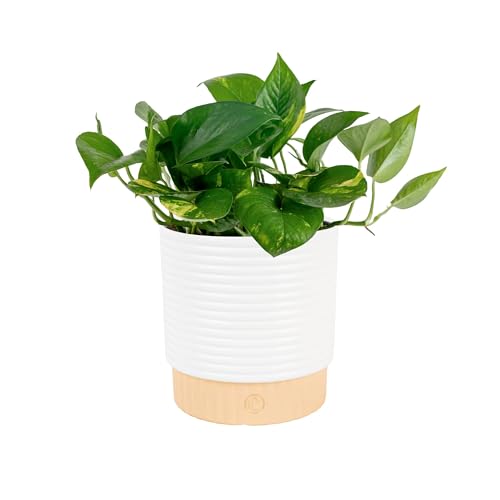
Costa Farms Golden Pothos, Trailing Vine
What Each Pick Brings To The Table
The Pink Princess is the kind of plant that earns a spot on the shelf rather than blending into the background. Its leaves arrive mottled with pink and dark green, and each new vine tends to throw a slightly different pattern, which is part of what makes the variety so sought-after by hobbyists.
This philodendron prefers bright, indirect light, so a north-facing window or a spot a few feet back from a brighter pane in a dim bedroom works well. Watering comes down to letting the soil dry roughly halfway down before the next pour, usually every one to two weeks depending on your home’s humidity. For anyone starting a collection of rare foliage, this 4-inch pot is a manageable starter size.
Noteworthy Benefits
- Genuine variegation (the natural variation that produces different color patterns on each leaf) means no two plants look quite alike
- Compact 4-inch footprint fits a nightstand or narrow shelf
- Tolerates the gentler watering schedule that suits a bedroom routine
- Adds collector value beyond the typical houseplant starter
- Philodendrons in general rank among the easier rare plants to keep alive
Things To Consider
- Variegated sections grow slower, so patience pays off when waiting for fuller foliage
- Common reports from owners note leaves can revert toward green in lower light, which dulls the signature look
- Toxic to pets if nibbled, so positioning matters in shared bedrooms
At A Glance
Who It Suits Best
Plant hobbyists chasing rare variegated foliage who already understand indirect light and want a compact showpiece for the bedroom.
Where Another Pick Suits Better
Beginners who’d rather skip the variegation gamble should reach for the Costa Farms Golden Pothos, a more forgiving trailing vine.
Not every bedroom needs a living plant, and an entryway off the bedroom suite often benefits from greenery that asks nothing in return. These faux cedar topiaries stand 60 inches tall and arrive as a matched pair, which makes framing a doorway or flanking a console table straightforward.
The TPE foliage (a soft thermoplastic elastomer that mimics the bend and sheen of real leaves) gives the trees a more believable hand-feel than flat plastic ever manages. Each weighted pot helps the pair stay put on breezy porches, and the UV-resistant treatment keeps the color from washing out under steady sun.
Real-World Strengths
- TPE foliage reads as realistic up close, which helps in entryways people walk past daily
- UV protection holds up in sunny spots where untreated faux greens bleach out fast
- Weighted pot base adds wind stability on covered porches
- Matched pair saves the search for a second coordinating tree
- 5-foot height fills narrow corners that smaller plants leave bare
Trade Offs
- At roughly 37 pounds for the pair, moving them around for cleaning takes some effort
- Designed for outdoor or covered patios, so positioning in a drafty bedroom entry matters
- Long-term UV exposure can still nudge the green tones warmer over several seasons
Made For
Homeowners styling a front porch, covered patio, or entryway off the bedroom who want matched greenery without an ongoing watering routine.
Consider Something Else When
Anyone decorating an interior shelf or dresser should look at the Kurrajong Farmhouse Fake pothos, a smaller trailing option that fits indoor surfaces.
The Money Tree earns its reputation because it bounces back from the kind of neglect most of us accidentally inflict on indoor plants. The braided trunk is the visual hook, and the dense green canopy holds up in medium, indirect light, which describes a lot of bedrooms honestly.
Compared with the more demanding Pink Princess, this Costa Farms pick is the forgiving option for someone starting their first houseplant. Watering once a week with about two to three cups and decent drainage is usually enough, and the plant tolerates the missed schedule better than most tropicals. It comes in small, medium, and large sizes to match the room.
A Few Strong Suits
- Forgiving watering schedule suits travelers and forgetful routines
- Available in 10-inch, 16-inch, and 3-to-4-foot sizes for different room scales
- Braided trunk adds sculptural interest beyond typical foliage plants
- Ships in a decorative pot, so no immediate repotting is needed
Worth Noting
- Owners commonly report leaf drop after a move or sudden temperature shift
- Needs medium light, not deep shade, so a darker interior bedroom may stress it
Best Suited To
First-time plant owners with a bedroom that catches some indirect daylight and a routine that occasionally forgets to water.
Skip It When
Anyone wanting trailing greenery for a high shelf should consider the Kurrajong Farmhouse Fake pothos for a no-maintenance alternative.
Bedrooms don’t always need greenery in the biological sense. Sometimes a soft, warm glow does more for the room than leaves, and that’s where this trio of LED cherry blossom trees earns its place.
The set ships in three heights (4, 5, and 6 feet), which lets you stagger them on a console or line them along an empty wall for a graduated look. Each branch carries warm white LED lights that read as ambient rather than clinical, and the artificial trunks keep the styling year-round.
The Practical Payoff
- Tiered heights create visual depth without arranging three separate purchases
- Soft warm-white output suits bedroom wind-down lighting
- No watering, no leaf drop, no seasonal dormancy
- Year-round decor that doesn’t fight other bedroom styling
Room For Improvement
- Requires a power source for each tree, so cord management matters in tidy bedrooms
- Not a substitute for living greenery if your goal is air-purifying plants
- Larger 6-foot tree may overwhelm low-ceiling rooms
Quick Facts
Perfect Match For
Bedrooms needing atmospheric lighting where you want the look of flowering branches without any upkeep.
Another Choice May Suit
Anyone who wants actual foliage texture should choose the Bellacat Artificial Camellia Tree for a flowered focal point instead.
The Camellia tree leans into the floral side of decor, and the silk pink blooms give the bedroom a styled, romantic note without ever needing a vase of fresh-cut stems. At 60 inches tall in a potted base, it reads as a true accent tree.
The two-pack format makes this a natural choice for framing a doorway or anchoring the corners of a bedroom sitting area. Layered petals and textured trunks help the artificial form avoid the plasticky look that cheaper floral pieces tend to give off, and the foliage holds its color indoors where most faux florals are placed.
Bright Spots
- Layered silk petals capture the look of real camellias at a glance
- Two-pack format suits symmetrical bedroom styling
- Potted base drops straight into an entryway or reading nook
- Year-round pink blooms sidestep seasonal floral gaps
Honest Caveats
- Heavier than a single faux plant, so rearranging the pair takes some planning
- Pink blooms may clash with cooler-toned bedrooms, depending on palette
Who Should Grab It
Bedrooms with neutral walls that need a pair of floral anchors, or anyone replacing fresh florals with a low-maintenance alternative.
Not Your Match When
You’d rather have green-only texture. In that case the Mavis’s Diary cedar pair offers a similar shape without the blooms.
A trailing pothos is the shelf-styling cheat code that designers lean on constantly, and this faux version lets you get the look without the weekly watering reminder. The light green vine cascades over a 5-inch ceramic pot, which makes it shelf- and dresser-ready right out of the box.
Compared with the larger cedar and camellia trees above, this pick stays compact, so it works in the kind of small bedroom surfaces that bigger accents overwhelm. The trailing vine adds the relaxed, lived-in feel that turns a sterile shelf into styled decor, and the ceramic pot means no extra planter purchase.
The Value In It
- Compact ceramic pot drops onto a shelf without needing a separate planter
- Trailing vine silhouette softens hard shelving edges
- Light green tone blends with most bedroom palettes
- No watering routine means zero bedroom maintenance
Possible Compromises
- Trailing length is fixed, so styling flexibility is limited compared to real pothos that grow over time
- Pot size restricts it to small accent placements rather than floor use
Spec Overview
The Right Fit
Apartment bedrooms and small spaces where a single styled accent piece on a shelf or dresser adds more than another floor plant would.
Look Elsewhere When
You want an actual living plant for the shelf. The Costa Farms Golden Pothos brings the same trailing shape with a real vine that grows over time.
Golden pothos has held the title of easiest houseplant for decades because it actually lives up to the reputation. The Costa Farms version ships at 8 to 12 inches tall in a starter pot, and once it settles in, the vines trail in whatever direction you point them.
This is the live alternative to the Kurrajong faux pothos, and for many shoppers the appeal is that the vine keeps growing rather than staying fixed in shape. Medium, indirect light suits it, with watering around once a week using roughly a cup. Available as a single, 2-pack, or 4-pack to match how many shelves you want to fill.
Where It Delivers
- Trailing vine shape grows longer over time, adapting to your shelf height
- Forgiving of missed waterings, ideal for first-time plant owners
- Available in multi-packs so a whole bookshelf can match
- Ships in a starter pot, ready for a decorative planter swap
Small Caveats
- Needs medium indirect light, so very dark bedrooms can slow growth noticeably
- Toxic to cats and dogs if chewed, an important note for pet households
Quick Facts
Whose Shelf It Belongs On
Anyone who wants a real, growing plant and can offer a few hours of indirect daylight from a nearby window.
Swap It Out When
Bedrooms too dark for live plants benefit from the Kurrajong Farmhouse Fake pothos, which gives the same look with zero light demands.
Choosing Plants That Actually Thrive In A Dim Bedroom
Light is the first filter to apply, and most bedrooms fall into the low to medium indirect range. A true dark corner with no window nearby rules out most living greenery, while a north-facing room or one with a partly shaded window opens up the forgiving live options. Soil and watering matter more than people expect: tropicals like the Money Tree and Golden Pothos prefer a soak-and-dry rhythm, while overwatering kills more bedroom plants than neglect ever does.
Room size drives the second filter. The 5-foot cedar and camellia trees fill floor corners, while smaller trailing picks like the faux or live pothos work on shelves, dressers, and nightstands. Pet households need to think about toxicity, since philodendrons and pothos both cause irritation if chewed. Faux pieces sidestep that concern entirely, which is a meaningful edge for shared bedrooms.
Finally, decide how much routine you actually want. Live plants reward consistency but punish neglect. Faux options reward zero effort but never grow, never bloom fresh, and never change with the season. Mixing the two is a common move: a live pothos on the bright shelf, a faux trailing piece in the darker corner.
Smart Choices Across The Shortlist
Wrong Turns To Avoid
A common slip is buying a bright-light plant (like a fiddle leaf fig or succulents) for a windowless bedroom and hoping it adapts. Most won’t, and the result is a slow decline that takes months to recognize. Another mistake is overwatering on a schedule rather than checking the soil first; tropicals in low light dry out more slowly, so a weekly pour can drown them in winter.
What Separates Premium From Basic
Higher-tier faux pieces earn their keep through materials like TPE foliage and weighted bases, both of which show up in the Mavis’s Diary cedar pair. Those touches matter because cheap plastic greens tend to read as fake from across the room, while a TPE leaf can pass a close inspection. Premium live plants offer larger starter sizes and decorative pots, which saves the repotting step and gives the bedroom a styled look right away.
Frequently Asked Questions
What plants genuinely survive in a low-light bedroom?
Pothos, philodendrons, and money trees tolerate medium, indirect light, which fits most bedrooms. Truly dark corners without any window light are better served by faux greenery.
How often should bedroom plants be watered?
Tropicals like pothos and money trees usually need water once a week, but always check the top inch of soil first. In cooler months, low light slows drying, so watering windows stretch out naturally.
Are faux bedroom plants worth choosing over live ones?
Faux plants make sense in rooms with no natural light, in pet-heavy households, or for anyone who’d rather skip the watering routine. Live plants offer growth and seasonal change that faux pieces can’t replicate.
Which plants are safe around cats and dogs?
Most faux options are entirely safe. Among live picks, African violets, parlor palms, and certain ferns are pet-friendly, while pothos and philodendrons should be kept out of reach.
How do I stop live plants from dropping leaves after I bring them home?
Leaf drop after purchase usually points to a light or temperature shift. Move the plant closer to its preferred light range, hold off on fertilizer for a month, and water only when the soil is partly dry.
Bottom Line
A dim bedroom doesn’t have to stay plant-free, and it doesn’t have to rely on one approach either. Live picks like the Costa Farms Money Tree and Golden Pothos thrive where there’s at least some indirect daylight, while faux pieces cover the corners where a living plant would struggle. Match the option to the light you actually have, and the rest tends to take care of itself.