Waking up stiff is its own kind of misery, especially when a too-soft or sagging mattress forces the lower back into a curve it was never meant to hold. The right topper can change the geometry of sleep, taking a worn-out bed surface and giving it the kind of responsive support that keeps the spine in a neutral line. I put this roundup together for anyone whose mornings start with an ache rather than a stretch, and for those weighing a new mattress against the simpler option of refreshing what they already own.
A Side-By-Side Look

BedStory 2 Inch King Size Firm Mattress Topper (Bamboo Charcoal)

LIANLAM 5 Inch Dual Layer Memory Foam Mattress Topper (Queen)

Tempur-Cloud 2-Inch Mattress Topper (Queen)
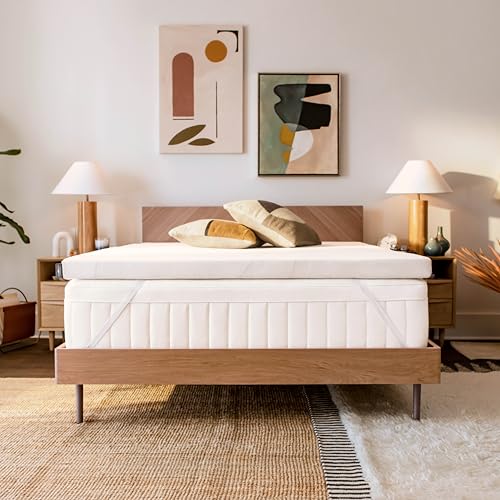
TEMPUR-Adapt (Supreme) 3-Inch Memory Foam Mattress Topper (Queen)

Hanare Cooling Bamboo Mattress Topper 1000 GSM (Queen)
The Details Behind The Selections
The BedStory lands at the firm end of the spectrum, which is exactly what many back-pain sufferers need when their current bed has gone soft. Its bamboo-charcoal infused foam (a treatment that helps the cover resist odor) wraps around a dense 38D memory foam core, the kind of high-density build that holds its shape rather than letting the hips dip into the mattress below.
For stomach and back sleepers whose lumbar curve needs a flat, steady plane, this topper behaves less like a cushion and more like a posture tool. I see this working best in a guest room where the underlying mattress has lost its backbone, since the 2-inch profile corrects sag without raising the bed height enough to bother standard sheets.
Why It Works Well
- High-density 38D foam keeps the surface from bowing under the hips, helping maintain a neutral spine on firm-feeling beds.
- Bamboo-charcoal cover resists odor buildup, a small but real plus for warm bedrooms.
- 2-inch thickness slides under standard fitted sheets without making the bed feel unnaturally tall.
- Adapts to multiple sleeping positions rather than locking the user into one posture.
Trade Offs
- Too firm for side sleepers whose shoulders and hips need deeper give, so pressure can build at the shoulder.
- Memory foam holds body heat, so hot sleepers in warm climates may want to look at a breathable option like the Hanare bamboo pick later in the list.
Who It Suits Best
Back and stomach sleepers on a mattress that has lost its firmness, and anyone whose chiropractor has told them they need a flatter sleeping surface than they currently have.
Look Elsewhere When
Strict side sleepers and plush-mattress lovers should reach for the LIANLAM 5 Inch Dual Layer instead, since its pillow-top layer adds the give their shoulders need.
The LIANLAM takes the opposite approach from the BedStory, stacking 2.5 inches of cooling gel memory foam beneath a quilted pillow top filled with a 1500GSM down-alternative fiber (a measure of fill weight, where higher numbers mean a denser, loftier cushion). The result is a topper that feels cloud-like on the surface while still offering a supportive base for the lumbar region. It suits someone whose bed is too firm and whose back pain comes from pressure points at the shoulders and hips rather than from a sagging mattress.
The 360-degree elastic deep pocket stretches to fit mattresses up to 18 inches thick, which matters for owners of modern pillow-top beds who have been burned by toppers that pop off at the corners. For combo sleepers who shift between side and back positions through the night, the dual-layer setup adapts to each posture, while the breathable quilted cover helps air move through the fill.
What Earns Its Place
- 5-inch total thickness makes a meaningful difference on mattresses that feel like sleeping on a board.
- Deep-pocket skirt fits mattresses up to 18 inches, including tall pillow-top models.
- Cooling gel in the foam layer moderates heat retention compared to plain memory foam.
- Pillow-top layer relieves shoulder and hip pressure that often triggers morning stiffness for side sleepers.
Honest Caveats
- The 5-inch stack adds real height, and deep-pocket sheets become a practical necessity.
- The plush pillow top can compress over time, so owners on a strict replacement cycle may find loft fading sooner than the foam base.
- Not the right call for stomach sleepers whose spines need a flatter plane than this topper provides.
Made For
Side and combo sleepers on a mattress that is too firm, and anyone who wants pressure-point relief at the shoulders and hips without losing the supportive base underneath.
Consider Something Else When
Stomach sleepers wanting a flat, firm plane will find the BedStory 2 Inch King a better match for their posture needs.
Tempur-style foam has its own following for a reason, and the Tempur-Cloud 2-inch brings that signature feel to an existing mattress at a lower commitment than buying a whole new bed. Unlike the denser 38D foam on the BedStory, this topper uses the brand’s proprietary material that responds to body heat and weight, softening where pressure builds and holding firm where it doesn’t.
For someone whose back pain flares at the shoulder blades or the sacrum, the contouring helps spread contact across a wider area rather than letting the hips dig in. Side sleepers in particular notice the difference, because the foam cradles the joint without letting it sink all the way through to a hard mattress below. The 2-inch profile keeps the bed height manageable for standard linen sets.
Strong Points
- Proprietary foam reacts to warmth, contouring precisely to shoulder and hip pressure points.
- 2-inch thickness refreshes a tired mattress without overwhelming it with bulk.
- Brand recognition means consistent manufacturing standards between production runs.
Points To Note
- Lighter than the firmer options on this list, so stomach sleepers wanting a flat plane may feel unsupported.
- Memory foam of this type traps heat, and pairing it with a breathable protector helps offset that.
- Spot-cleaning rather than machine-washing is the realistic care path for the foam core.
Best Suited To
Side sleepers and combo sleepers who feel pressure points at the shoulders and hips, and anyone curious about the Tempur feel without replacing their mattress.
Not Your Match When
Stomach sleepers wanting firmer lumbar support should look at the TEMPUR-Adapt (Supreme) 3-Inch further down the list for a thicker adaptive alternative.
Feature Snapshot
The TEMPUR-Adapt (Supreme) is the thicker sibling of the Tempur-Cloud I covered just above, and the extra inch matters more than it sounds. A 3-inch layer of proprietary TEMPUR material gives the foam room to contour around the lumbar curve, which is the most common source of chronic back pain for adults sleeping on a mattress that has compressed over the years.
It also pulls double duty for travelers and renters, since it can refresh an unfamiliar hotel bed or revive a too-firm guest mattress without committing to a permanent bedroom setup. The included removable cover is machine-washable, a practical detail that owners of any thick foam topper tend to appreciate once the reality of spot-cleaning sets in.
Useful Touches
- 3-inch thickness meaningfully rebuilds the comfort layer on mattresses that have flattened out.
- Proprietary foam distributes pressure across the lumbar region, which is often where back pain concentrates.
- Removable, machine-washable cover simplifies the ownership reality of any thick foam topper.
- Available in multiple sizes, including California King, for non-standard bed frames.
Worth Noting
- Higher price tier than thinner memory foam options, so budget-focused shoppers may find better value in the BedStory.
- 3 inches of foam adds significant height, and deep-pocket sheets become a practical requirement.
- Foam still traps heat, so hot sleepers pairing it with a breathable protector see the best results.
Perfect Match For
Anyone with chronic pressure points at the lumbar or sacrum, and travelers who want a portable layer that adjusts an unfamiliar bed to their needs.
A Better Fit Elsewhere
Shoppers prioritizing a cooler sleeping surface should consider the Hanare Cooling Bamboo topper, which trades memory foam for breathable fiber fill.
Quick Facts
The Hanare Cooling Bamboo breaks the memory-foam pattern entirely, swapping foam for a 1000GSM fill blend (a measure of fiber density, where higher numbers mean a thicker, more cushioned topper) wrapped in a breathable bamboo cover. That makes it the pick for hot sleepers whose back pain is complicated by night sweats, or for anyone whose memory foam topper has turned their bed into a heat trap.
Plush and pillow-like, it sits somewhere between a thick duvet and a soft mattress pad, offering surface comfort rather than deep structural support. Side sleepers on a too-firm mattress tend to love this style, since the fiber fill cushions the shoulder without the slow-sinking feel of memory foam.
Everyday Wins
- Bamboo cover breathes well, which helps hot sleepers stay cooler through the night.
- 1000GSM fiber fill gives a plush, pillow-top feel that foam toppers can’t quite replicate.
- Resists compression over time, keeping its loft night after night.
Things To Consider
- Provides surface cushioning rather than the deep support that stomach sleepers with lumbar issues need.
- Bulkier profile makes laundering the topper itself harder than memory foam alternatives.
- May shift on the bed without a deep fitted sheet to anchor it in place.
Whose Shelf It Belongs On
Hot sleepers and side sleepers on a too-firm mattress who want plushness without the heat retention of memory foam.
Swap It Out When
Anyone needing firmer lumbar support should consider the BedStory 2 Inch King, which delivers a denser, more posture-focused feel.
Feature Rundown
How To Match A Topper To Your Back
The first thing to figure out is the type of pain. Sharp, localized pressure at the shoulder or hip usually points to a topper with more give, like the LIANLAM or the Hanare bamboo. A dull, all-over ache that gets worse as the night goes on often traces back to a mattress that has sagged, and a firmer topper like the BedStory or the TEMPUR-Adapt does more to correct that.
Thickness matters more than people expect. A 2-inch topper adjusts feel without dramatically changing bed height, while 3 to 5 inches rebuilds a compressed comfort layer. Owners of pillow-top mattresses should measure depth before ordering, since a thick topper may need deep-pocket sheets to stay put.
Foam density (measured in pounds per cubic foot, with higher numbers meaning firmer, longer-lasting foam) is the spec that determines how long a memory foam topper holds its shape. A 38D rating like the BedStory’s is on the firm, durable side, while proprietary Tempur foam has its own contouring feel that reacts to body heat.
Sleep position is the tiebreaker. Side sleepers generally need more cushion, back sleepers benefit from medium-firm support, and stomach sleepers usually want the flattest, firmest plane available.
Key Considerations Across These Picks
Pitfalls Shoppers Hit
The most common mistake is choosing thickness over density, then wondering why the topper flattened within a year. A plush 4-inch topper made from low-density foam often feels great on day one and gives up by month six. Reading the foam density spec, when the manufacturer lists one, tells more about longevity than the thickness number alone.
Another trap is assuming a topper will fix a truly broken mattress. If the underlying bed has a visible dip or a broken coil, no topper can fully level the surface. The topper works with a serviceable base, not in place of one.
Where The Extra Money Goes
Higher-priced picks like the TEMPUR-Adapt (Supreme) earn their cost through proprietary foam that contours more precisely, plus thicker profiles and removable, machine-washable covers. Budget options can absolutely work for mild discomfort, but chronic pressure points and night-long support are where the premium materials show their value.
Frequently Asked Questions
How thick should a mattress topper be for back pain?
Most people with back pain benefit from a 2 to 3 inch topper, since thinner profiles adjust feel without raising bed height too much, and thicker profiles rebuild deeper comfort on worn mattresses.
Is memory foam or fiber fill better for back pain?
Memory foam gives deeper contouring and lumbar support, while fiber fills like the Hanare bamboo offer plush surface comfort and cooler sleep. The right choice depends on whether the pain is from pressure points or from a sagging mattress.
Can a mattress topper make back pain worse?
A topper that is too soft for a stomach sleeper or too firm for a side sleeper can worsen misalignment, which is why matching the topper to sleep position matters as much as the materials themselves.
How long does a quality mattress topper last?
Most memory foam and fiber toppers last roughly three to five years, with denser foam and higher GSM fills typically outlasting thinner, lower-density alternatives.
Will a topper fit on any mattress?
Most toppers fit standard mattress depths, but thicker toppers or tall pillow-top mattresses often need deep-pocket sheets, and the LIANLAM’s 18-inch pocket is worth noting for unusually deep beds.
Bottom Line
Back pain rarely has a single fix, but the right topper changes the surface you spend a third of your life on, and that adds up. Match the feel to your sleep position and the type of pain, measure for sheet clearance, and pick the density and thickness that suit how long you want the topper to last. A small change in sleep geometry often pays off faster than people expect.