A good duvet cover does more than dress a bed. It shapes how your room feels the moment you walk in, how warm you sleep through the night, and how often you wrestle the laundry. I pulled together six cotton and linen duvet covers that handle very different jobs, from botanical prints that anchor a guest room to a flannel set made for cold bedrooms. Each pick below leans on a specific material, weight, or weave, so you can match the cover to your climate and taste rather than gambling on looks alone.
The Lineup, Simplified

Eikei Windflower Bedding Bloomfield Floral Duvet Cover Set (Twin, Turquoise)

Bedsure Fluffy Duvet Cover Set Ultra Soft Plush Shaggy Queen
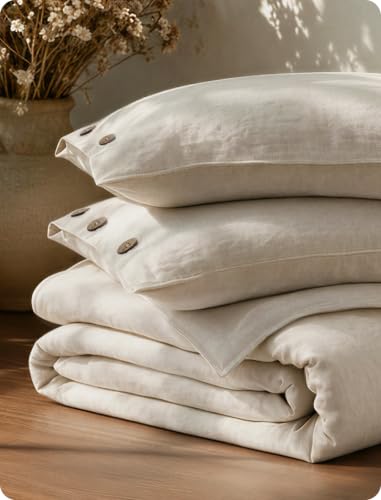
Bedsure PureWoven Linen Duvet Cover Queen

Dreamology Waffle Weave Duvet Cover Queen 100% Cotton
Simple&Opulence 100% Linen Duvet Cover Set Embroidery Border Queen

Eikei Eastern Floral Chinoiserie Duvet Cover Egyptian Cotton Twin
Meet The Standout Selections
The Eikei Windflower set leans hard into pattern. Twining vines, butterflies, and clusters of multicolored blooms run across a turquoise ground, giving a Twin bed the kind of visual density that plain covers never manage. The fabric is cotton with a soft hand, so the print reads as a painterly textile rather than a flat graphic, which helps the room feel collected instead of catalog-ordered.
For a guest room, a daughter’s bedroom, or anywhere the bed is the focal point, this cover does the styling work on its own. Solid-color sheets keep the look balanced, and the cotton breathes well enough to stay comfortable through spring and summer. Owners who prefer quieter bedrooms will likely find the print overwhelming, but pattern lovers get a piece that anchors the whole room.
Strengths Worth Knowing
- All-over botanical print carries the visual weight of the room without extra decor.
- Cotton base keeps the fabric cool and breathable for warmer months.
- Multicolored floral pattern pairs with both neutral and saturated sheet colors.
- Pattern hides small stains and wear better than a solid cover, handy in a guest room.
Points To Keep In Mind
- Bold print can feel loud in a small room or compete with patterned wallpaper.
- Cotton botanical prints tend to need a gentle wash cycle to keep colors from fading over time.
Right Fit For
Pattern-forward decorators and anyone styling a Twin guest room, kids’ space, or floral-themed bedroom where the bed needs to carry the design.
A Better Fit Elsewhere
Minimalists and shoppers who want a quieter foundation should look at the Simple&Opulence 100% Linen Duvet Cover Set, which trades the print for soft texture and a neutral palette.
The Bedsure Fluffy set is built for one job, trapping warmth. A shaggy flannel fleece covers both sides of the Queen duvet, with a ribbed stripe pattern that adds quiet texture instead of competing with the room. The hand-feel lands somewhere between a well-worn sweater and a soft blanket, so climbing into bed feels like stepping into a lined sleeping bag.
This is the cover I would reach for in a bedroom that runs cold at night, or for anyone who cranks the thermostat down in winter. It layers over a lighter comforter to add serious insulation. In a warm climate or a summer bedroom, the same plushness that feels indulgent in January can read as stifling by June.
What Helps Most
- Plush flannel fleece adds real warmth, useful in cold bedrooms or winter months.
- Soft ribbed texture feels gentle against skin without a break-in period.
- Neutral striped pattern works with most bedding layers already in the room.
- Three-piece set covers a Queen bed and matching pillows in one buy.
Honest Caveats
- Heavy flannel can run hot in mild climates or summer nights.
- Shaggy fleece tends to hold lint and pet hair, so it needs more frequent washing than smooth cotton.
- Bulky fabric may not drape as cleanly as lighter linen or cotton weaves.
Made For
Cold-sleepers and anyone outfitting a drafty bedroom with a Queen bed who wants one cover that doubles as a winter weight layer.
Skip It When
Hot sleepers should turn to the Bedsure PureWoven Linen Duvet Cover, whose linen-cotton blend breathes far better in warm conditions.
The Bedsure PureWoven cover is a 70% cotton, 30% linen blend that aims for year-round versatility. Pre-washing gives the fabric that gently rumpled look straight out of the package, so it skips the stiff break-in period that often turns people off from linen. The Queen size runs a roomy 90 by 90 inches, leaving slack for a thicker insert.
The blend pulls moisture away from skin and breathes well enough to handle a warm shoulder season, while still feeling substantial under hand. It is a smart middle path between the heavier flannel pick above and the lightweight all-linen option further down. Owners who want a relaxed, lived-in look without buying a separate summer cover get a sensible answer here.
Why It Works Well
- Breathable blend moves moisture and stays comfortable across seasons.
- Pre-washed finish means soft drape from the first night, no scratchy break-in.
- Subtle linen texture adds depth to a neutral bedroom without loud pattern.
- Roomy Queen dimensions fit thicker comforters with room to spare.
Trade-Offs
- Linen-cotton blend wrinkles more than a tight percale, so expect a casual look on the bed.
- Lighter neutral color can show stains more easily than the patterned picks in this list.
Best Suited To
Shoppers who want one Queen cover to span spring, summer, and fall without swapping sets, and who prefer soft, breathable natural fibers.
Consider Something Else When
Anyone committed to pure linen and a more textured farmhouse finish should look at the Simple&Opulence 100% Linen Duvet Cover Set instead.
The Dreamology cover uses a chunky waffle weave, which is a grid-like knit that creates raised squares across the surface. The pockets of air between those squares trap a bit of warmth without the weight of flannel, making this cotton cover a useful shoulder-season option. OEKO-TEX certification, a standard that screens textiles for harmful substances, adds comfort for anyone sensitive to finishes or dyes.
For a primary bedroom, a rental, or a college dorm, this set covers the basics at a friendly spend. The waffle texture also has a quiet visual rhythm, so it looks intentional even when the rest of the bedding is plain. The trade-off is that waffle weaves can snag on jewelry or rough skin, and they take longer to iron flat if you want a crisp look.
What Makes Sense
- Chunky waffle weave adds gentle warmth without the bulk of flannel.
- 100% cotton breathes well and softens with each wash.
- OEKO-TEX certification signals screening for common textile chemicals.
- Texture-rich surface looks styled even with basic sheets underneath.
Some Limits To Know
- Raised weave can snag on zippers, rings, or pet claws over time.
- Waffle texture holds onto moisture longer in the dryer than smooth weaves.
Who Will Love This
Everyday households outfitting a Queen bedroom, including rentals and guest rooms, where the cover needs to look considered without overspending.
Look Elsewhere When
Shoppers chasing a heavier, dressier drape should consider the Eikei Eastern Floral Chinoiserie Duvet Cover, whose 400TC Egyptian cotton reads smoother and more substantial.
Simple&Opulence goes all-in on linen. The cover is woven at 160 GSM (grams per square meter, a fabric weight measure where higher means heavier) from 100% linen, then pre-washed for that soft, lived-in drape that makes linen bedding so addictive in warm weather. An embroidered border along the edge lifts the look above a basic solid, giving farmhouse and modern rooms a tailored frame.
Hot sleepers and anyone dealing with night sweats get a fabric that breathes and wicks aggressively, and linen only gets better with age as the fibers relax. OEKO-TEX certification reassures shoppers focused on cleaner textiles. The honest trade-off is the price and the wrinkle factor, since linen creases with character, and some shoppers read that as messy rather than relaxed.
Everyday Wins
- 100% linen breathes exceptionally well, ideal for warm sleepers and summer months.
- Pre-washed finish softens the fabric from day one and improves with every wash.
- Embroidered border adds a tailored, farmhouse-style detail without loud pattern.
- Three-piece set includes matching pillow shams with button closure.
Worth Bearing In Mind
- Linen wrinkles easily, so the bed reads relaxed rather than crisp.
- Higher linen content and embroidery push this above the cotton options in cost.
Whose Shelf It Belongs On
Hot sleepers and farmhouse or coastal bedrooms where breathable natural fibers and a slightly rumpled look are exactly the point.
Reach For A Different Pick When
Cold-sleepers or winter-focused shoppers will find the Bedsure Fluffy Duvet Cover a more insulating choice for the same Queen footprint.
The Eikei Chinoiserie cover is a Twin-sized piece that treats the bed like artwork. Stylized blossoms, branches, and ornamental line work stretch across the surface in a navy, black, and golden-tan palette, the kind of motif that pairs as well with minimalist furniture as with traditional wood pieces. The fabric is 400-thread-count Egyptian cotton, where thread count measures the number of threads woven into a square inch of fabric, and a higher count generally signals a denser, smoother weave.
That thread count gives the cover a subtle sheen and a silkier hand than a basic cotton print, which suits a primary bedroom or styled guest space. Owners commonly report that printed cottons of this density need a cold wash to keep the design from dulling over time. It is the right pick when the bed itself is meant to carry the room.
What It Does Well
- 400TC Egyptian cotton gives the cover a denser, smoother feel than standard cotton prints.
- Chinoiserie motif brings personality without leaning into a literal theme.
- Neutral navy and tan palette coordinates with both modern and traditional furniture.
- Pattern density hides small wear between washes.
Factors To Consider
- Twin size limits this cover to smaller beds or styling a guest room, not a Queen or King.
- Denser weave and printed surface call for cold-water washing to preserve the design.
Perfect Match For
Shoppers styling a Twin guest room, dorm bed, or statement bedroom who want a refined cotton cover with real visual weight.
Swap It Out When
Anyone outfitting a larger bed should consider the Bedsure PureWoven Linen Duvet Cover, which comes in a Queen size with breathable natural fibers.
Choosing Bed Linen Duvet Covers That Actually Fit Your Sleep
Match Fabric To Climate First
The single biggest decision is fiber, not pattern. Cotton covers like the Eikei Windflower and Dreamology Waffle handle spring and fall comfortably, while linen-based options like the Simple&Opulence and Bedsure PureWoven pull heat away from the body in summer. Flannel, as on the Bedsure Fluffy, traps warmth and earns its keep in cold bedrooms or winter months. A mismatch here is what makes a cover feel stifling in July or chilly in January.
Think About Weave And Weight
Two cotton covers can feel completely different based on how they are woven. A waffle weave creates air pockets for gentle warmth, while a high thread-count percale (like the 400TC Egyptian cotton on the Eikei Chinoiserie cover) reads smoother and denser. Linen weight, often listed in GSM, tells you how substantial the fabric will drape. Higher GSM linen feels heavier and more cocooning, while lower GSM feels breezier.
Decide On Pattern Versus Texture
Bold prints, like the Windflower floral or the Chinoiserie motif, do the visual heavy lifting and let the rest of the room stay simple. Textured solids, like linen or waffle weaves, build interest through surface depth instead of color. Pick based on whether your bedroom already has patterned rugs, curtains, or wallpaper, since layering too many patterns gets loud fast.
Size And Closure Matter
Twin, Queen, and King sizing must match your insert with a little overhang. Closure style (button, zipper, or ties) is worth checking too, because ties keep the insert locked in place when you toss and turn, while buttons can occasionally pop open during a midnight duvet rematch.
Smart Choices Before You Buy
Common Shopping Slip Ups
The most frequent miss is choosing fabric by look alone. A printed cotton that looks breezy in photos can feel heavy at 400 thread count, and a lightweight linen can read sheer if you skip checking GSM. Measure your insert before picking a size, and remember that a duvet cover should sit a bit larger than the insert for proper drape. Color also shifts, so neutral tones online may lean warmer or cooler once they arrive.
Where The Extra Money Goes
Premium linen costs more because the flax fibers are slower to grow and harder to weave than cotton, which raises both material and labor costs. Higher thread counts in cotton use finer yarns and denser weaves, which means more raw cotton per square inch. Embroidery and special closures add finishing time. The honest read is that upgrades tend to show up in feel and longevity rather than appearance, so it pays to invest where the fabric touches your skin nightly.
Frequently Asked Questions
How Often Should I Wash A Duvet Cover?
Most covers benefit from a wash every one to two weeks, since they sit against skin all night. Linen and cotton both hold up well to regular cycles on cool water.
Can I Use A Duvet Cover Without An Insert?
A cover alone will lie flat rather than puff up, so it reads more like a flat sheet on the bed. For the intended drape and warmth, pair it with an insert sized to match.
What Size Cover Do I Need For A Queen Bed?
A standard Queen cover measures around 90 by 90 inches. Always check the listing, since exact dimensions can vary by a few inches between brands.
Do Linen Covers Get Softer Over Time?
Yes. Linen fibers relax with each wash, so a cover that feels crisp in the first cycle typically softens into its best texture within a handful of washes.
Will A Patterned Cover Fade In The Wash?
Printed cottons can dull over time if washed in hot water or dried on high heat. Cold cycles and line drying help preserve the colors across seasons.
The Takeaway
The right bed linen duvet cover comes down to fiber first, feel second, and pattern last. Hot sleepers, cold bedrooms, minimalist rooms, and pattern-driven spaces all point toward different picks on this list, and the cover that disappears into your nightly routine is the one that earns its place. Start with the climate you sleep in, then let the room’s style guide the rest.