Bed bugs don’t announce themselves, and by the time the first welts show up, they’re already settled into seams and box-spring folds. I put this roundup together for anyone who’s dealt with an infestation scare, lives in a building where turnover is constant, or simply wants a mattress that stays clean for the next decade. These encasements and protectors vary a lot: some fully zip around a box spring to lock pests out, while others layer breathable comfort over the top of your mattress. The picks below cover both jobs, so you can match hardware to the kind of protection your bedroom actually needs.
The Lineup, Simplified

SureGuard Twin Box Spring Encasement

SureGuard Full Box Spring Encasement

Defend-A-Bed Deluxe Quilted Queen
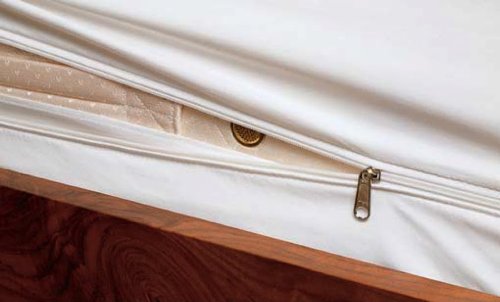
Mission: Allergy Premium Microfiber

SureGuard Queen Box Spring Encasement

BEDLORE Queen Noiseless Protector

Rest Line Premium Organic Full

Rest Line Premium Organic Queen
A Deeper Look At The Lineup
The SureGuard Twin sits in the small-but-serious corner of the list, built for narrow beds where a single mattress and box spring share tight quarters against a wall. Its six-sided zippered wrap treats the foundation like a sealed vault, which matters more than people realize: box springs have plenty of folds and fabric edges where pests wedge themselves, and a top-only protector leaves all that real estate exposed.
For a guest room, dorm setup, or any twin frame in a building with frequent turnover, the small footprint pays for itself in peace of mind. Compared with the fuller Defend-A-Bed later in the list, this one isn’t designed for comfort layering; it’s designed to be a hard barrier.
Real-World Strengths
- The Invisi-Zip-style zipper (a zipper with teeth too small for insects to slip through) and SureSeal flap combine to fully close off the box spring on every side.
- Waterproofing across all six faces guards against spilled drinks, pet accidents, and dust that would otherwise settle into the fabric.
- The hypoallergenic weave helps reduce exposure to dust mites and pet dander for allergy-prone sleepers.
Things To Consider
- The encasement covers the box spring only, so it needs to be paired with a separate mattress encasement for total bed bug defense.
- Installing a six-sided cover on a twin takes some wrestling; corner alignment can feel fiddly the first time.
Made For
Studio dwellers and guest-room hosts who want a sealed twin foundation without buying extra mattress layers.
Skip It When
The Rest Line Premium Organic Full makes more sense for sleepers whose priority is organic cotton comfort over a foundational seal.
The full-size sibling to the twin above follows the same playbook but stretches across the wider frame common in couples’ guest rooms and rental units. A six-sided zippered shell wraps the entire foundation, blocking the gaps where pests typically crawl in from the floor or the headboard. In multi-tenant housing, that floor-to-fabric seal is the difference between a contained scare and a recurring problem.
For households where one full bed serves as the primary sleep surface for two people, the heavy-duty classification fits: this is a foundation barrier first, comfort piece second. It’s a step up in surface area from the twin without changing the protective logic at all.
Everyday Wins
- The fine-tooth zipper with flap closure makes the bed bug seal genuinely tight around a full frame.
- Full waterproofing covers all six faces, so a toppled glass or pet accident stays on the outside of the cover.
- The weave helps block dust mites, mold spores, and pollen from settling into the box spring fabric.
Worth Noting
- Like the twin, it leaves the mattress itself uncovered, so pairing it with a top encasement or protector is wise for full protection.
- Full-size encasements can shift during installation; having a second pair of hands helps.
Right Fit For
Rental hosts and households with one primary full mattress who want the foundation sealed before adding any top layer.
A Better Fit Elsewhere
Sleepers wanting both foundation sealing and an organic cotton comfort layer should look at the Rest Line Premium Organic Queen instead.
The Defend-A-Bed shifts the focus from foundation sealing to mattress protection, layering a quilted padded top over a waterproof barrier. That’s a meaningful difference from the SureGuard encasements earlier in the list: this piece goes between the sleeper and the mattress, adding plushness while keeping liquids off the foam underneath. For a queen mattress that sees nightly use, that double role is exactly the brief.
Its noiseless waterproof layer avoids the crinkly plastic feel that older mattress protectors were famous for, which makes it a quieter nightly companion. Think of it as the comfort-leaning middle of the lineup, sitting between a sealed encasement and a basic fitted pad.
The Case For It
- The quilted padded top layer adds a measurable softness boost, which matters on firmer mattresses.
- Waterproof backing shields against spills, sweat, and accidents without the crinkle sound of basic plastic liners.
- It helps extend the working life of a queen mattress, which is the single most expensive sleep investment most households make.
Trade Offs
- As a top-of-mattress protector, it doesn’t seal the underside; bed bugs entering from below would not be stopped.
- Quilted layers can hold body heat more than thinner weaves, so hot sleepers may want to weigh that.
Best Suited To
Queen-bed sleepers who want a comfort boost above their current mattress along with waterproof peace of mind.
Consider Something Else When
Anyone specifically worried about bugs entering through the foundation should reach for the SureGuard Queen Box Spring Encasement instead.
The Mission: Allergy encasing takes a different angle entirely. Where most protectors target spills and pests, this one is engineered around allergen filtration, weaving the fabric so tightly that particles as small as 2 microns (a micron is one-millionth of a meter, far smaller than what the eye can pick out) cannot pass through. For households managing asthma, eczema, or serious dust mite sensitivities, that’s the spec that actually matters.
Unlike membrane-based encasings that trap warmth and moisture, the premium microfiber remains air-permeable, which means sleepers don’t end up trading one problem (allergens) for another (sweaty sleep). The 12-inch depth suits standard mattresses without bunching.
Positive Points
- The 2-micron mean pore rating (the average size of gaps between fibers) genuinely blocks dust mite allergen, a major trigger for many sleepers.
- Air-permeable microfiber avoids the heat-trap issue common to membrane encasings, keeping the bed comfortable year-round.
- The silky-soft hand makes the cover feel nearly imperceptible beneath standard sheets.
Points To Note
- Allergen protection is the headline; waterproofing isn’t called out as a primary feature here, so liquid defense may be limited.
- Standard 12-inch depth won’t accommodate thicker pillow-top mattresses without leaving gaps.
Who Will Love This
Asthmatics and allergy households who prioritize allergen blocking above liquid-proof performance.
Look Elsewhere When
Households needing waterproof defense plus allergen protection should consider the Rest Line Premium Organic Queen as a stronger dual-purpose match.
The queen-size flagship of the SureGuard line pairs the same six-sided zippered logic from the smaller sizes with a queen frame’s broader footprint. For primary bedrooms and long-term installations, this is the most thorough foundation defense in the lineup, covering the box spring completely against pests and moisture. Pairing it with a mattress encasement creates the textbook dual-layer approach to bed bug control.
The build quality reads like the company’s strongest offering, with polyester construction and the same fine-tooth zipper with a flap closure that the smaller versions share. For households already investing in a higher-end queen mattress, sealing the foundation beneath it is the logical next step.
Bright Spots
- The full six-sided wrap leaves no fabric exposed, which is the strict bed bug barrier most encasements aim for.
- Polyester build keeps the cover durable through repeated removal and machine washing.
- Waterproofing on every face shields the box spring from the kind of slow leaks that shorten a foundation’s lifespan.
Honest Caveats
- The encasement only addresses the foundation; a separate mattress encasement is needed for the sleeping surface itself.
- On queen frames, the wrap can feel loose during initial installation before the corners settle into place.
Key Product Details
Whose Shelf It Belongs On
Primary-bedroom households with a queen setup who want a foundation-level seal before adding any comfort layer on top.
Swap It Out When
Shoppers whose priority is comfort and breathability should swap to the Defend-A-Bed Deluxe Quilted Queen.
The BEDLORE takes aim at one of the most common complaints about waterproof protectors, the crinkle sound that echoes across the bedroom every time someone shifts at night. By focusing on noiseless waterproofing and breathability, it positions itself as the protector for sleepers who share a bed with light-sleeping partners or restless kids.
The breathable fabric construction supports airflow, which keeps the sleeping temperature reasonable even under a thick comforter. In homes where the bed is a sanctuary and any plastic-feeling intrusion breaks the spell, this is a quiet alternative to the older generation of protectors.
Notable Gains
- Noiseless waterproof layer eliminates the crinkle that gives protectors a bad reputation.
- Breathable construction reduces heat buildup, which matters in warmer climates or for hot sleepers.
- Waterproof coverage shields against spills and accidents, useful in homes with children or pets.
Room For Improvement
- As a fitted-style protector, it sits on top of the mattress and won’t seal the underside against pests.
- The emphasis on quiet comfort leaves the foundation unprotected, so it works best alongside a box spring encasement.
Built With In Mind
Light sleepers and partners who want waterproof defense without the plastic-sound distraction at night.
Reach For A Different Pick When
Households specifically facing a bed bug infestation should choose the SureGuard Queen Box Spring Encasement for foundation sealing first.
The Rest Line full-size marks the entry point to the organic-cotton tier, pairing an organic cotton jacquard top (jacquard is a weave that creates a textured pattern directly in the fabric) with a TPU-based waterproof barrier underneath. That combination reads like a genuine dual-purpose pick, defending against sweat and accidents while keeping the surface soft against the skin. For full-size beds in homes where material choices matter, the natural fiber top is a notable step up from synthetic alternatives.
Where this piece stands out is texture: the jacquard weave adds a subtle pattern and a touch of heft under the sheets. It’s the most comfort-forward organic option in the lineup, and for full-bed shoppers it removes the need to choose between natural fibers and waterproof defense.
The Good Stuff
- The organic cotton jacquard top offers a noticeably softer feel than the synthetic quilts earlier in the list.
- Cell-Tight TPU technology (a thin, flexible membrane laminated to the fabric) keeps the waterproof layer quiet while still blocking moisture.
- Natural fiber construction helps reduce skin irritation for sensitive sleepers.
A Few Limitations
- Like the other top-of-mattress options, it doesn’t seal the foundation, so it pairs best with a box spring encasement for full bed bug defense.
- Full-size organic jacquard tops are heavier than thin synthetic pads and may need extra effort when laundering.
Feature Snapshot
The Right Fit
Full-size shoppers with sensitive skin or a preference for natural fibers who want waterproof defense without synthetic feel.
Not Your Match When
Shoppers specifically needing a sealed foundation should pick the SureGuard Full Box Spring Encasement instead.
The queen version of the Rest Line organic keeps the same materials story but solves a real-world problem the full-size sibling cannot: an 18-inch deep pocket. Tall mattresses and pillow tops routinely exceed 14 inches of depth, and standard fitted protectors ride up or slip off when the pocket is too shallow. The deeper skirt here is what makes this the upgrade pick rather than a duplicate.
It’s also the queen-sized version of an organic cotton jacquard with a TPU waterproof barrier underneath, which means households with deep, premium mattresses don’t have to compromise on materials just to get the right fit. That dual-purpose feature (organic on top, waterproof underneath, deep enough to stay put) is the practical case for choosing this over cheaper fitted options.
Key Advantages
- The 18-inch deep pocket fits tall mattresses, including pillow tops, without riding up during the night.
- Organic cotton top paired with a quiet TPU membrane delivers waterproofing without the synthetic feel.
- The cooling-oriented construction helps the bed stay comfortable in warmer climates or under heavy comforters.
Possible Compromises
- As a fitted-style top protector, it doesn’t seal the box spring; a separate encasement is needed for foundation defense.
- Deep-pocket queen construction tends to be heavier than thin pads, which can complicate laundering.
Feature Rundown
Perfect Match For
Queen-bed households with deep pillow-top mattresses who want organic cotton comfort plus waterproof coverage.
Where A Sibling Pick Shines
Shoppers wanting a sealed box spring in queen should turn to the SureGuard Queen Box Spring Encasement for foundation defense.
What Matters Most Before Choosing Bed Bug Mattress Pads
Barrier Type: Encasement vs. Protector
The first fork in the road is encasement versus protector. Encasements are six-sided zippered shells that fully seal the mattress or box spring, blocking pests from entering or escaping. Protectors are fitted covers that sit on top of the mattress, defending against spills and surface allergens but leaving the underside exposed. For a real bed bug threat, encasements are the stricter choice. For comfort layering and waterproofing, protectors are the practical fit.
Material and Weave
The material underneath the waterproof layer shapes how the bed feels. Polyester tends to be durable and budget-friendly, microfiber offers a silkier hand, and organic cotton adds breathability with a natural fiber feel. TPU membranes (thermoplastic polyurethane, a thin, flexible, waterproof film) have largely displaced crinkly PVC as the modern waterproof backing, and they stay quiet under body weight. Tightly woven allergen-barrier fabrics, like the Mission: Allergy option, target dust mites and pollen rather than liquids.
Pocket Depth and Fit
Measure your mattress height before buying any fitted protector. Standard mattresses are typically 10 to 12 inches deep, pillow tops can run 14 to 16, and tall hybrid builds sometimes exceed 18. A protector with too little depth rides up during the night and exposes the corners. An encasement with the wrong dimensions is a worse problem, since gaps at the zipper defeat the seal.
Real-World Use Cases
Households with pets, kids, or frequent guests tend to want waterproof defense as a baseline. Allergy sufferers get more from a tightly woven allergen encasing. Rental hosts and frequent travelers usually benefit most from foundation sealing because turnover introduces the highest risk of pest exposure. Match the hardware to the household, not the other way around.
Key Considerations Across These Picks
Pitfalls Shoppers Hit
The most common slip is buying only a top protector when the actual concern is bed bugs entering through the foundation. A mattress protector alone does not seal the box spring, which is where pests often shelter. Another frequent miss is underestimating mattress depth; a protector that’s too shallow slowly creeps up the corners and ends up barely covering the sleep surface.
Where The Extra Money Goes
Premium options in this category typically invest in higher-grade zippers with protective flaps, denser fabric weaves that block smaller allergens, and natural fiber tops that improve comfort over synthetic alternatives. They also tend to fit deeper mattresses and survive more laundering cycles. For a primary bedroom in a long-term home, the upgrade usually pays for itself in mattress longevity and better nightly comfort.
Frequently Asked Questions
Do bed bug mattress pads actually stop an infestation?
A six-sided encasement isolates any bed bugs already inside the mattress or box spring, starving them over time. Top-only protectors do not seal the mattress, so they help with spills but don’t stop pests traveling up from the foundation.
Should I encase both the mattress and the box spring?
For full bed bug defense, yes. The mattress encasement protects where you sleep, and the box spring encasement protects the favorite shelter below. A top-only protector plus a sealed foundation is the more common setup in mild risk scenarios.
How long do these encasements last?
With proper care, most encasements hold up across multiple years of normal use. Following the care label, washing in cool water, and avoiding harsh detergents all extend working life. Higher-end pieces tend to use more durable zippers and seams that resist tearing longer.
Can I wash a waterproof protector in a regular machine?
Most waterproof protectors are machine-washable, but hot water and high spin speeds can damage the TPU layer over time. Cold or warm wash cycles on a gentle setting are the standard recommendation across the picks in this roundup.
Is an organic cotton top worth it for allergy-prone sleepers?
For sleepers sensitive to synthetic fibers, organic cotton typically feels cooler and less irritating against the skin. The waterproof performance comes from the layer underneath, so comfort and protection can both be delivered without compromise.
Bottom Line
A solid mattress pad setup usually means two pieces working together: a foundation encasement to seal off the box spring, and a fitted protector on top for comfort and waterproofing. Match the encasement to your bed size first, then pick a protector that fits your mattress depth and material preferences. For most households, that two-layer approach covers the realistic bed bug and spill scenarios without overbuilding the bed.