Living with pets while dealing with bed bugs creates a tricky balancing act. The product that wipes out bugs also needs to leave dogs, cats, and curious kids unharmed. I pulled together eight options that span sprays, interceptors, concentrates, and laundry aids so you can match the tool to your home, your pets, and the severity of the problem.
The Essentials At A Glance

BASF Cy-Kick CS Insecticide Concentrate 16 oz

Bedlam Plus Insecticide 17 oz for Resistant Bed Bugs

BugOut! Laundry Additive Natural Detergent Booster 32 oz
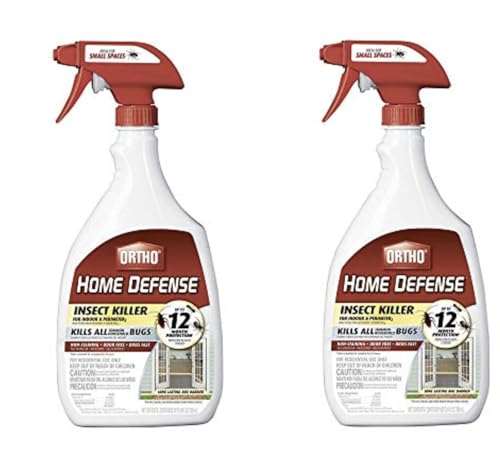
Home Defense Max Insect Killer 24-oz

Bed Bug Spray Natural Plant-Based Killer 22 oz
Bed Bug Interceptors 8 Pack Bed Bug Blocker Pro

Eco Defense Bed Bug Killer Spray for Mattress
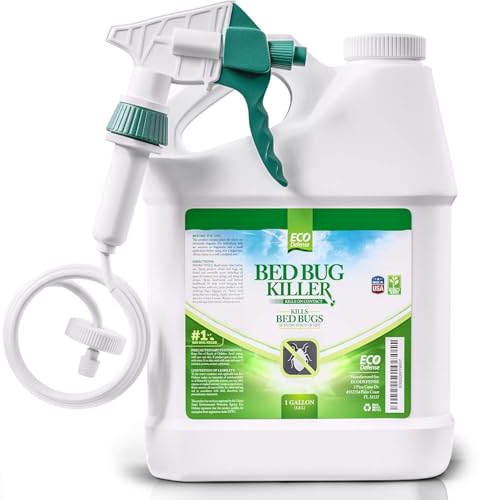
Eco Defense Bed Bug Killer Spray 1 Gallon
A Closer Look At Each Pick
The BASF Cy-Kick CS concentrate leans into the heavy side of pest control. A 16 oz bottle mixes with water and applies through a handheld or backpack sprayer, which suits owners treating large rooms or multiple surface zones at once.
This pick skips the bed bug angle and instead targets mosquitoes, flies, ants, and fleas indoors and out. For households chasing a broad-spectrum residual barrier with SmartCap microencapsulation, the formula clings to surfaces and releases active ingredient over time, which means fewer repeat passes. Pet owners with severe flea crossover will appreciate the outdoor reach.
Strengths Worth Knowing
- Microencapsulated formula extends residual activity, so reapplication intervals stretch longer.
- Works indoors and outdoors from a single bottle, useful for whole-property treatment plans.
- One 16 oz bottle makes a substantial volume of mixed spray, lowering cost per application.
- Targets multiple pests beyond bed bugs, which helps in homes with concurrent flea or ant issues.
Things To Consider
- Requires mixing and sprayer gear, adding setup time for first-time users.
- Active ingredient is a synthetic pyrethroid, so pets must stay off treated surfaces until fully dry.
- Not specifically labeled for bed bugs, so it works best as a perimeter support rather than a primary fix.
Who It Suits Best
Owners managing broader infestations across indoor and outdoor zones who already own sprayer equipment.
Consider Something Else When
Households focused purely on bed bugs around pets should look at the Bedlam Plus Insecticide, which targets that pest directly.
Bedlam Plus arrives as a ready-to-use spray built specifically for the bed bugs that shrug off older chemistries. The 17 oz can covers mattress seams, headboards, baseboards, and luggage seams where bugs tend to hide.
The bundle includes chemical-resistant gloves and a pest identification card, which helps owners confirm they’re chasing bed bugs rather than bat bugs or carpet beetles. Compared with the BASF concentrate above, this is a more targeted, contact-driven approach with no mixing step.
Positive Takeaways
- Formulated for pyrethroid-resistant bed bug populations, a common problem in apartments and hotels.
- Spray-and-walk application skips the measuring and mixing step entirely.
- Included gloves and ID card reduce prep guesswork for first-time users.
- Dries without strong residue on most treated surfaces.
Worth Noting
- Contains a stronger synthetic active ingredient, so pets should remain out of treated rooms during application and drying.
- Limited 17 oz size means larger infestations may need multiple cans.
- Surface-safe claims depend on testing a small inconspicuous area first.
Key Specs
Made For
Households dealing with stubborn infestations that previous sprays failed to resolve.
Look Elsewhere When
Pet owners who need a gentler formula should consider the ECOPEST Bed Bug Spray for a plant-based alternative.
BugOut! takes a different angle from the sprays above. It’s a plant-based laundry booster that goes into the wash with regular detergent to treat clothing, bedding, and pet gear. The 32 oz bottle covers many loads.
For homes where dogs sleep on the bed or cats nap on the throw pillows, washing the fabric is often the missing piece of a treatment plan. This additive handles that step without forcing pets out of the room or leaving chemical residues on blankets.
Real Benefits
- Plant-based formula with fabric-safe soap, gentle on sheets and pet bedding.
- Works in both hot and cold wash cycles, which matters for delicate fabrics.
- Targets multiple pests including mites, fleas, ticks, and carpet beetles alongside bed bugs.
- No fumes or residue after the wash cycle completes.
Honest Caveats
- Only treats washable items, so mattresses and furniture still need a separate spray approach.
- Effectiveness depends on following label dilution directions precisely.
- Some stubborn infestations require pairing with an interceptors or contact spray.
Right Fit For
Pet owners who want to treat bedding, throws, and pet blankets without exposing animals to harsh sprays.
Skip It When
You need to treat mattress seams directly, in which case the ECOPEST Bed Bug Spray handles that surface more efficiently.
The Home Defense Max trigger sprayer skips the mixing step entirely. It’s a pre-mixed, ready-to-use formula in a 24 oz bottle, which suits shoppers who want a grab-and-spray option without measuring concentrates.
The spray covers kitchens, bathrooms, and other listed areas indoors and out. For pet owners, the appeal is the quick-dry, low-odor finish that lets animals return to treated rooms sooner.
What Earns Its Place
- Pre-mixed trigger sprayer eliminates measuring mistakes for first-time users.
- Dries quickly without strong lingering odor, helpful in shared living spaces.
- Listed for indoor and outdoor use, so the same bottle handles multiple zones.
- Non-staining formula on most common household surfaces.
Trade Offs
- Targets general household insects rather than specializing in bed bugs alone.
- 24 oz size runs out faster than the gallon Eco Defense option below for whole-room work.
- Synthetic active ingredients mean pets should be kept away during application.
Feature Snapshot
Best Suited To
Beginners and homeowners who want a familiar pre-mixed trigger sprayer for general pest maintenance around pets.
A Better Fit Elsewhere
Households focused exclusively on bed bug elimination should pair this with the ECOPEST Bed Bug Spray for more targeted work.
The ECOPEST Bed Bug Spray targets the full bed bug life cycle, from eggs and nymphs through adults, using a plant-based formula. The 22 oz bottle fits homes with kids and pets who can’t tolerate harsh fumes during treatment.
Compared with the synthetic Bedlam Plus above, this option trades raw knockdown speed for a much gentler indoor profile. The fabric-safe claim means it can go directly onto mattress seams and upholstered furniture without staining worries.
Where It Delivers
- Plant-based formula with low odor, easier on households with sensitive pets or kids.
- Targets eggs and nymphs, not just adults, addressing the full life cycle.
- Safe to apply directly on mattress seams and fabric surfaces.
- No harsh chemical smell lingering after application.
Room For Improvement
- Plant-based formulas often require more frequent reapplication than synthetic alternatives.
- Knockdown speed tends to be slower than pyrethroid-based sprays.
- 22 oz size may run short for multi-room infestations.
Perfect Match For
Families with small children and pets who need a gentler approach and prioritize low odor over fastest knockdown.
Reach For A Different Pick When
Severe, pyrethroid-resistant infestations call for the stronger Bedlam Plus Insecticide instead.
Bed Bug Interceptors take a non-chemical approach. The 8-pack slips under bed posts and furniture legs, creating a smooth-walled pit that bugs can’t climb out of once they fall in. No sprays, no fumes, no pets displaced.
This pick works best as a monitoring and prevention layer rather than a standalone killer. Owners place one trap per leg, then check weekly for signs of activity. Compared with the sprays above, interceptors run quietly in the background.
Everyday Wins
- Chemical-free design, fully safe around kids and pets at all times.
- Passive 24/7 monitoring catches activity early, before infestations spread.
- 8-pack covers most standard bed frames and a sofa or two.
- Reusable for long-term monitoring after the initial problem is resolved.
Less Ideal Details
- Requires bed legs or furniture posts that can fit inside the cup, which excludes platform beds.
- Doesn’t kill bugs on contact, so it pairs with another treatment method for active infestations.
- Needs weekly visual checks to actually serve its monitoring purpose.
Who Should Grab It
Anyone wanting early detection and ongoing monitoring, especially in apartments or shared buildings where re-infestation is a concern.
Swap It Out When
Platform beds with no posts make these traps unusable, in which case the Eco Defense Bed Bug Killer Spray handles the surface treatment directly.
Eco Defense takes the natural route with a spray designed specifically for mattresses, furniture, and household surfaces. The non-staining claim matters when you’re hitting sheets and upholstery where stains would mean replacing the bedding.
This pick lands between the ECOPEST 22 oz plant-based spray above and the synthetic Bedlam Plus. Same gentle profile as the plant-based option, different formulation tuned for contact kill on fabric.
Good Reasons To Consider
- Non-staining formula safe for direct application on sheets and mattress covers.
- Natural ingredient profile reduces concerns about fumes around pets.
- Targets eggs, nymphs, and adults across the full life cycle.
- Spray bottle format reaches tight seams and tufted mattress folds easily.
Points To Keep In Mind
- Standard size means frequent reordering for whole-home treatment plans.
- Natural formulations typically require more patient, repeated application than synthetics.
- Severe infestations may outpace what a single bottle can handle.
Whose Shelf It Belongs On
Pet households needing a fabric-safe, low-odor spray for spot treatment on mattresses and upholstered furniture.
Another Choice May Suit
Anyone tackling larger square footage should consider the 1-gallon Eco Defense size below for fewer refills.
The 1-gallon Eco Defense takes the same natural, non-toxic formula and stretches it across a much larger container. This size suits whole-home treatment plans where multiple bedrooms and a living room all need attention.
For pet households planning a comprehensive campaign, the gallon format cuts down on repurchasing and lets you refill smaller spray bottles as needed. Compared with the standard Eco Defense spray above, the trade-off is bulk storage and a higher upfront commitment.
What Pays Off
- 1-gallon bulk size covers multiple rooms without reordering.
- Same natural, non-toxic ingredient profile as the smaller bottle.
- Non-staining on fabric surfaces including sheets and mattress covers.
- Refills smaller spray bottles for ongoing maintenance applications.
Practical Considerations
- Bulk liquid requires storage space and a dedicated spray bottle for application.
- Higher upfront cost than the standard size, even if per-ounce value improves.
- Natural formula still needs repeated application for stubborn populations.
Quick Facts
Built With In Mind
Owners committed to a whole-room, multi-week treatment plan who prefer natural ingredients in bulk.
Not Your Match When
Quick spot fixes are the goal, in which case the smaller Eco Defense spray bottle handles the job with less storage hassle.
Picking The Right Bed Bug Killer For Your Pet-Friendly Home
Choosing a bed bug product with pets in the home means weighing three threads at once: how harsh the active ingredients are, how thoroughly each product covers the hiding spots bugs use, and how much reapplication the formula demands. Synthetic pyrethroid sprays like Bedlam Plus and the BASF concentrate kill quickly but require pets to stay away during drying. Plant-based options like the ECOPEST sprays and Eco Defense lines trade some knockdown speed for a much gentler indoor profile.
Treating fabric matters as much as treating furniture. The BugOut! laundry additive handles the washable side of the equation (bedding, throws, pet blankets), while sprays handle mattress seams and upholstery. Combining a fabric wash step with a contact spray covers more ground than either method alone, in most cases.
For early detection, the Bed Bug Interceptors run silently under bed posts. They’re not a killer, but they catch activity before it spreads and confirm whether treatments are working. Pair them with weekly visual checks rather than treating them as set-and-forget devices.
Practical Considerations For Shopping Smart
Pitfalls Shoppers Hit
The biggest misstep is treating only the mattress and ignoring baseboards, headboards, and luggage. Bed bugs travel, and a partial treatment leaves reservoirs alive to reinfest. Another common error is assuming one application finishes the job. Most products, even synthetic ones, need at least two rounds spaced a week apart to catch newly hatched nymphs.
Where The Extra Money Goes
Larger containers and pro-grade formulas cost more because they cover more area or use stronger actives. The gallon Eco Defense, for instance, costs more per bottle but lowers the per-ounce price for whole-home work. Spending up makes sense when the infestation spans multiple rooms or recurs after cheaper attempts. For a single-room spot fix, the standard spray sizes usually deliver enough coverage without the storage commitment.
Frequently Asked Questions
Are plant-based bed bug sprays as effective as synthetic ones?
Plant-based formulas generally work more slowly and require more frequent reapplication, but they reduce concerns about fumes around pets and kids. For severe or resistant infestations, synthetics usually act faster.
Can I use these products directly on my pet’s bedding?
The BugOut! laundry additive is specifically designed for washable fabric including pet blankets. Sprays labeled non-staining and fabric-safe, like the Eco Defense and ECOPEST options, can also be applied to pet beds after a spot test.
How long should pets stay out of treated rooms?
Drying times vary by product and humidity, but most sprays require at least a few hours before pets return to the room. Plant-based options often re-enter faster than synthetic pyrethroids, though label directions should always guide the timing.
Do bed bug interceptors actually work without chemicals?
Interceptors catch bed bugs climbing up bed legs and serve as reliable monitoring tools. They don’t kill on their own, so they pair best with a spray or laundry treatment plan for active infestations.
What’s the most important step before buying any product?
Confirm you’re actually dealing with bed bugs. The pest identification card included with Bedlam Plus helps here, and interceptors provide visual confirmation. Treating the wrong pest wastes time and money.
Final Verdict
Bed bug treatment with pets in the home works best when you layer tools: a fabric-safe spray for mattress seams, a laundry additive for bedding and pet blankets, and interceptors for ongoing monitoring. The right combination depends on infestation severity, household size, and how much time you can keep pets away from treated areas. Pick the products that match your specific situation, and treat the plan as a multi-week effort rather than a single application.