Neck pain can quietly ruin a night, then bleed into the whole next day. People who wake up stiff, who shift positions every hour, or who finally gave up on a flat hotel-style cushion are usually looking for one specific thing: a pillow that supports the curve of the neck without feeling like a piece of orthopedic equipment. I’ve put together six cervical and contour designs that aim squarely at that problem, covering nightly side and back sleepers, hot sleepers, and travelers who need that same support on the road.
A Snapshot Of The Selections
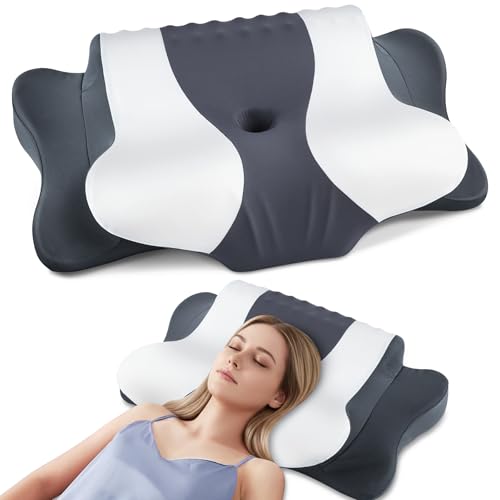
DONAMA Cervical Pillow for Neck Pain

Royal Therapy Queen Memory Foam Contour Pillow

BEDMUST Cooling Memory Foam Neck Pillow
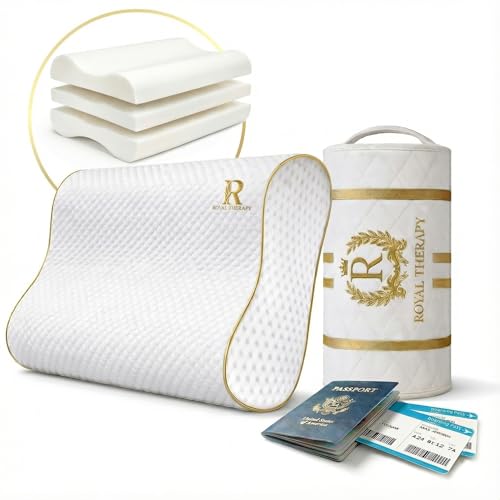
Royal Therapy Travel Memory Foam Cervical Pillow
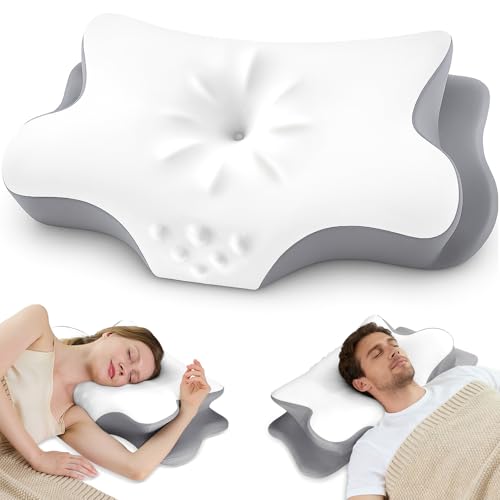
VJASD Cervical Neck Pillow with Cooling Cover

VJASD Cervical Neck Pillow Grey Edition
Why These Options Stand Out
The DONAMA is the pillow I keep coming back to for people who toss and turn at night. Its butterfly silhouette wraps a hollow center that lets the back of the head settle without pushing the chin up, and the shoulder contour is gentle enough that switching from your left side to your back doesn’t require wrestling the pillow into a new position.
Memory foam does the heavy lifting here, holding its shape through the night so the neck curve stays supported instead of collapsing by 3 a.m. Compared with the flatter Royal Therapy later in this list, the DONAMA feels more deliberately sculpted and a touch firmer under the neck.
Everyday Advantages
- Hollow core cradles the head while keeping the cervical curve level.
- Butterfly wings give the shoulders something to lean into when rolling over.
- Holds its loft for most of the night, so support doesn’t fade by morning.
- Works for side and back sleepers without needing a separate pillow.
- The contour helps keep the chin from dipping, which matters for people who snore lightly.
Things To Consider
- The firm center can feel unusual for the first two or three nights as the foam softens with body heat.
- Stomach sleepers tend to find the raised sides push the neck upward awkwardly.
Feature Snapshot
Right Fit For
Side and back sleepers who wake up stiff and want a sculpted, contour-led design that keeps the neck level through the night.
Consider Something Else When
Stomach sleepers or anyone who runs warm at night should look at the BEDMUST cooling pillow, which uses a dual-layer build and a cooler cover.
Royal Therapy built this one for the sleeper who wants orthopedic support without feeling like they’re sleeping on a wedge. The medium firmness hits a useful middle ground, firm enough to keep the neck lifted but soft enough that side sleepers don’t feel the foam digging into their cheek.
At 24 by 14 inches with a 5-inch loft, it sits squarely in standard pillow territory, which means standard pillowcases still fit. That’s a small detail but a real one for anyone who’s already invested in good cotton cases.
Useful Touches
- Medium firmness welcomes sleepers who bounce off pure orthopedic shapes.
- Standard sizing means existing pillowcases fit without a fight.
- Contour supports the cervical curve while still allowing shoulder sink on the side.
- Balanced density holds its loft without going rigid.
Points To Note
- Memory foam can trap heat, so warm bedrooms may want the cooling cover on the BEDMUST instead.
- The 5-inch loft can feel low for broader-shouldered side sleepers.
- Off-gassing is common in the first few nights and usually needs a day of airing out.
Best Suited To
Back and side sleepers who want orthopedic support in a standard pillow shape and don’t run hot at night.
Where Another Pick Suits Better
Travelers should reach for the Royal Therapy Travel pillow, which keeps the same contour idea in a much smaller footprint.
The BEDMUST takes the cervical-pillow concept and adds an engineering layer that matters for warm sleepers. A softer top layer cushions the head while a denser base keeps the neck lifted, so the pillow doesn’t bottom out the way single-density foams sometimes do by morning.
The cover is the real headline. It’s built to feel cooler against the skin, which sounds like marketing until you’ve actually slept on one in July. Side, back, and stomach sleepers all get a usable surface, with 29.9 by 16.5 inches of room to find a sweet spot.
Strengths Worth Knowing
- Dual-layer foam gives cushioning up top and firm support down low.
- Cooling cover helps regulate temperature for hot bedrooms.
- Available in two loft options (3.9 and 5.1 inches) so sleepers can match their shoulder width.
- Larger surface area suits restless sleepers who move around.
Honest Caveats
- Larger footprint can overwhelm a standard pillowcase.
- The 3.9-inch loft may sit too low for broad-shouldered side sleepers.
Feature Rundown
Who Will Love This
Hot sleepers and restless movers who want orthopedic support without the trapped-heat feeling that comes with most memory foam pillows.
Not Your Match When
Shoppers looking for a compact travel option should look at the Royal Therapy Travel pillow, which is sized for a carry-on.
Frequent flyers know the dread of hotel pillows that are either pancake-flat or marshmallow-soft, neither of which helps a stiff neck. This Royal Therapy travel pillow keeps the contour logic of the full-size version but shrinks it into something that fits in a carry-on.
It’s still a memory foam pillow, not a squishy U-shaped travel cushion, which is the point. Side and back sleepers get a familiar support surface, just on a smaller scale. For longer trips or red-eyes, that’s a real upgrade.
Bright Spots
- Compact size slips into carry-on luggage without dominating the bag.
- Same contour shape as Royal Therapy’s full-size pillow for consistency on the road.
- Memory foam holds support through long-haul sleep.
Things To Consider
- Smaller surface area than a full bed pillow, which restless sleepers may notice.
- Not designed for stomach sleeping.
- Foam density means it shouldn’t stay compressed in luggage for long periods.
Perfect Match For
Business travelers, road-trippers, and anyone whose stiff neck follows them onto planes and into hotels.
Skip It When
Sleepers who want a full bed pillow should reach for the Royal Therapy queen-size option above, which gives the same contour logic with much more surface area.
The VJASD is the kind of pillow that makes sense for someone testing the cervical-pillow waters without committing to a premium design. It uses slow-rebound memory foam (foam that gradually returns to its original shape after pressure is applied) shaped for side and back sleepers, with a cover that runs cooler than bare foam.
The contour focuses on easing shoulder tension, which is often the missing piece in cheaper designs that only support the neck. That extra attention to the shoulder roll is what sets it apart from generic contoured foam pillows.
What Makes Sense
- Slow-rebound foam adapts gradually rather than fighting the head.
- Cooling cover is a nice touch at this price range.
- Contour eases both neck and shoulder tension through the night.
- Accessible entry point for first-time cervical-pillow shoppers.
A Few Limitations
- Side-only orientation may frustrate combination sleepers.
- Foam density doesn’t match the premium contour of the DONAMA.
Built With In Mind
Side sleepers shopping for a budget-friendly cervical pillow who want cooling cover benefits without a premium price tag.
Look Elsewhere When
Shoppers wanting a more sculpted butterfly shape should look at the DONAMA, which offers a more deliberate contour design.
The grey edition is essentially the same pillow as the previous VJASD, repackaged in a neutral color that fits modern bedrooms without clashing. That matters more than it sounds, because cervical pillows tend to look like medical equipment, and a calm grey cover helps the pillow blend in.
The ergonomics stay familiar: slow-rebound foam, side and back orientation, and a contour aimed at easing shoulder tension alongside the neck curve. For shoppers who care about how the bed looks as much as how it feels, this is the same pillow with a less clinical finish.
The Helpful Details
- Neutral grey cover fits most bedroom palettes without looking clinical.
- Slow-rebound foam supports the head and neck without pushing back too hard.
- Contour addresses both neck and shoulder tension.
- Side and back sleepers get a usable surface.
Soft Spots
- Foam density sits below premium picks like the DONAMA.
- Not oriented for stomach sleeping.
Whose Shelf It Belongs On
Side and back sleepers who want cervical support in a pillow that looks at home in a styled bedroom.
Reach For A Different Pick When
Sleepers needing higher loft or a more sculpted butterfly design should consider the DONAMA at the top of this list.
What To Weigh Before Choosing Bed Pillows For Neck Pain
Loft And Shoulder Width
Loft (the height of the pillow when it sits flat under your head) is the single biggest decision in a cervical pillow, because it has to match your shoulder width to keep the neck level. Side sleepers with broader shoulders usually need a 5-inch or higher loft, while back sleepers often do better at 4 inches. The BEDMUST offers both 3.9 and 5.1 inch options, which is why it works for so many body types.
Foam Density And Firmness
Contour pillows range from plush to firm, and the right pick depends on how much support your neck actually needs. Medium firmness, like the Royal Therapy queen, welcomes people who find orthopedic shapes too rigid. Firmer designs like the DONAMA hold alignment better through the night but feel unusual for the first few nights as the foam warms up and softens slightly under body heat.
Cooling Features
Memory foam traps heat, which is why cooling covers and dual-layer constructions (soft foam up top, firmer foam below) have become common in this category. The BEDMUST leans hardest into cooling, while the VJASD editions add a cooler cover at a friendlier price point.
Intended Sleep Position
Most cervical pillows are built for side and back sleepers, with stomach sleeping often left out because the raised contour pushes the neck upward. If you move around all night, look for versatile shapes or larger surface areas that accommodate position changes.
Key Considerations Across These Picks
Pitfalls Shoppers Hit
The most common mistake is picking a pillow based on loft alone, without thinking about shoulder width. A 4-inch pillow that works for a smaller frame can leave a broader side sleeper’s neck bent downward, which makes morning stiffness worse, not better. Another trap is assuming all memory foam feels the same. Density varies widely, and a low-density foam can flatten within months, while a high-density pillow holds its shape for years.
When Paying More Pays Off
Higher-tier cervical pillows tend to offer better contour design, dual-layer construction, and cooling covers that aren’t always present on budget options. The upgrade matters most for people who have already tried a basic contour pillow and found it lacking, or for anyone who runs warm at night and needs the cooling cover to actually sleep through summer.
Frequently Asked Questions
How long does it take to adjust to a cervical pillow?
Most people need two to three weeks for their neck muscles to adapt to a new contour shape, especially if they’re switching from a soft traditional pillow.
Can a cervical pillow help with morning headaches?
For headaches tied to neck tension or poor alignment during sleep, a properly fitted cervical pillow may help by reducing strain, though persistent headaches warrant a conversation with a healthcare professional.
Are contour pillows machine washable?
Most are not, because machine washing damages the foam. The removable cover usually is, and spot-cleaning the foam core is the standard care routine.
Do these pillows work for stomach sleepers?
Most cervical pillows are designed for side and back sleeping, because stomach sleeping pushes the neck into extension, which the contour resists. Stomach sleepers typically need a much lower loft.
How long does memory foam typically last?
Quality memory foam usually holds its support for two to three years of nightly use, though higher-density foams can last longer before flattening noticeably.
Bottom Line
The right cervical pillow depends less on brand and more on how you sleep and how warm you run. Side sleepers with broader shoulders usually do best with higher-loft, firmer designs like the DONAMA or BEDMUST. Hot sleepers should prioritize cooling covers, restless movers benefit from larger surface areas, and travelers get the most from a compact contour like the Royal Therapy Travel. Pick the profile that matches your night, give the foam a couple of weeks to break in, and the morning stiffness usually starts to fade.