Memory foam mattresses have a reputation for softness, contouring, and that “sinking in” feel people either love or struggle with. The bed frame beneath them quietly does the heavy lifting: it sets the height, the under-mattress airflow, the edge stability, and the long-term support. Picking a bed for a memory foam mattress is less about aesthetics and more about how the foundation plays with foam that wants to compress, breathe, and flex.
I pulled together six options that cover the most common scenarios: hot sleepers who run warm, kids moving into their first twin setup, couples furnishing a master bedroom, and anyone who wants a simple, low-fuss foundation without overspending. Each pick comes with what it does well, what trade-offs come along for the ride, and who I think it suits best.
The Essentials At A Glance
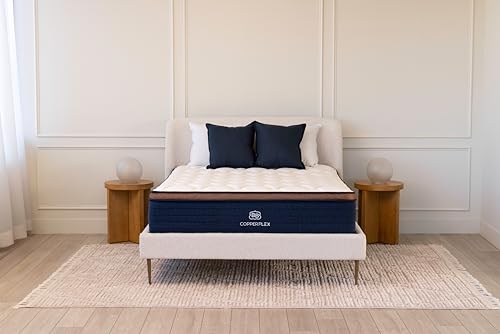
Brooklyn Bedding CopperFlex Pro 14 Inch King Mattress

LETMOON 8 Inch Twin Hybrid Cool Memory Foam Mattress

LETMOON 16 Inch King Mattress Medium Firm Hybrid

FDW 8 Inch Queen Gel Memory Foam Mattress

FDW 10 Inch Queen Gel Memory Foam Mattress

UNZIPE 14 Inch Twin Hybrid Mattress
The Brooklyn Bedding CopperFlex Pro sits at the top of this list for good reason, blending a hybrid coil core (a base of individually wrapped springs layered with foam) with copper-infused foam that actively pulls heat away from the body. On a typical night, that combination tends to matter more than thickness alone, especially for partners who run at different temperatures. The GlacioTex cover is a knit fabric engineered to feel cool to the touch, which makes that first minute under the sheets noticeably less sticky.
Unlike the LETMOON 8-inch twin later in this list, this is a full 14-inch profile designed for adults, with zoned lumbar reinforcement where the lower back tends to need it most. The CertiPUR-US certification on the foam means it’s been tested for content and emissions, which is worth noting for anyone sensitive to off-gassing (the temporary chemical smell new foam can release).
Why It Works Well
- The copper-infused CopperFlex foam pulls warmth away from the body, a real edge for hot sleepers in warm climates.
- Individually encased coils reduce motion transfer between partners, so a shifting sleeper is less likely to wake the other.
- Zoned lumbar support reinforces the lower back, useful for side and combination sleepers.
- CertiPUR-US certified foam gives some peace of mind around material content and emissions.
- The 14-inch depth gives a substantial, hotel-style feel without going overboard.
Things To Consider
- A 14-inch mattress is heavy and awkward to move solo, so plan a two-person delivery setup.
- Hybrid builds tend to cost more than all-foam equivalents, which may stretch the budget.
- Off-gassing is common with any new foam mattress, so giving it 24 to 48 hours to air out before sleeping on it is wise.
Feature Snapshot
Who It Suits Best
Couples and hot sleepers who want active cooling and shared motion isolation in a king-size footprint.
Consider Something Else When
Solo sleepers in smaller bedrooms may find the LETMOON 8 Inch Twin Hybrid Cool Memory Foam Mattress easier to manage and better suited to tighter spaces.
The LETMOON 8-inch twin lands in a sweet spot for kids’ rooms, dorm setups, and guest nooks where space is at a premium. At 8 inches, it’s compact enough to maneuver through tight staircases and standard doorways, which matters more than people expect until they’re wrestling a mattress up a narrow hallway. The bed-in-a-box format means it arrives compressed, which simplifies moving day but does call for patience while it expands.
Compared to the thicker LETMOON king coming up next, this twin is a more focused build: pocket springs (individually wrapped coils that move independently) paired with gel memory foam, designed to give zoned support without the deep cushion of a 16-inch profile. For younger or lighter sleepers, that’s usually plenty.
Strengths Worth Knowing
- The 8-inch profile is easy to lift and rotate, helpful in tight bedrooms and bunk setups.
- Bed-in-a-box shipping removes the hassle of scheduling a freight delivery.
- Hybrid construction balances foam contouring with the spring response kids and teens tend to prefer.
- The medium-firm feel suits a wide range of sleeping positions, useful for growing kids whose habits change.
Room For Improvement
- An 8-inch depth won’t suit adults who want deeper cushioning or substantial lumbar cradling.
- Compressed mattresses commonly need 24 to 72 hours to fully decompress, which delays the first real sleep on it.
- Twin sizes limit long-term use, so bigger kids or teens may outgrow it within a few years.
Right Fit For
Parents setting up a kids’ room, dorm dwellers, and anyone furnishing a guest nook on a tight footprint.
Look Elsewhere When
Adults or couples shopping for a primary bedroom will get more long-term value from the LETMOON 16 Inch King Mattress later in this roundup.
The LETMOON 16-inch king is for anyone who wants their bedroom to feel like a high-end hotel suite. With a 16-inch profile, this is one of the deeper mattresses in the roundup, and that depth shows up in real comfort: more layers for contour, more room for the pocket spring core to flex, more space between sleeper and foundation. Heavy sleepers and couples tend to appreciate the way the extra height absorbs body weight before it reaches the coils below.
Standing next to the Brooklyn Bedding CopperFlex Pro, this build prioritizes plush depth over the active copper-cooling tech. The medium-firm rating still keeps the spine supported, but the feel leans more toward sink-in comfort than responsive bounce.
Useful Highlights
- The 16-inch profile delivers a substantial, layered feel that suits heavier sleepers and master bedrooms.
- Pocket springs move independently, which helps reduce motion transfer across a king-size surface.
- Medium-firm support keeps the spine aligned even with the deeper cushioning.
- The king footprint gives couples enough room to spread without disturbing each other.
Worth Noting
- At 16 inches, deep-pocket sheets are a must, and standard sheet sets often won’t fit.
- The bed sits high off the floor, which can be awkward for shorter sleepers or shorter pets climbing up.
- Moving and rotating this mattress is a real workout, so placement should be decided before unboxing.
Key Product Details
Built With In Mind
Couples and heavier sleepers furnishing a master bedroom who want a substantial, hotel-style mattress that lasts.
Skip It When
Hot sleepers who run warm year-round will likely prefer the active cooling focus of the Brooklyn Bedding CopperFlex Pro 14 Inch King Mattress.
The FDW 8-inch queen is the roundup’s no-nonsense option: gel-infused memory foam over a high-density base, no coils, no extra layers to confuse the build. For a guest room, a first apartment, or anyone testing whether memory foam works for them before committing to a pricier hybrid, this is a sensible starting point. The gel infusion is meant to soften the heat-trap reputation that all-foam beds sometimes earn.
Where the Brooklyn Bedding CopperFlex Pro leans into hybrid engineering, this mattress strips things back. That simplicity has real upside: lighter weight, easier to rotate, friendlier to a tight moving schedule.
A Favorable Mix
- Gel infusion helps moderate the warmth that all-foam mattresses are known for.
- The queen size suits solo sleepers who want room to stretch and guest rooms that occasionally host couples.
- All-foam construction is lighter than most hybrids, easier to move or rotate on cleaning days.
- Medium-firm feel suits back, side, and combination sleepers across a wide weight range.
Points To Keep In Mind
- Without coils, edge support is weaker, and sitting on the side tends to feel less stable.
- An 8-inch profile gives less depth for taller or heavier sleepers who want more cushioning.
- All-foam mattresses can trap more heat than hybrids, even with gel, so very hot sleepers may want to look at a hybrid build.
Whose Shelf It Belongs On
First-time mattress owners and anyone setting up a guest room who wants memory foam comfort without hybrid pricing.
A Better Fit Elsewhere
Sleepers who want more depth and stronger edge support will likely find a better match in the FDW 10 Inch Queen Gel Memory Foam Mattress later in this list.
The FDW 10-inch queen is the practical middle child of the roundup. It picks up where the 8-inch queen leaves off, adding two inches of foam depth for sleepers who want a bit more cushion without jumping to a hybrid build. For everyday use, that extra thickness translates to better pressure relief at the shoulders and hips, particularly for side sleepers.
Compared to the LETMOON 8-inch twin earlier, this queen covers a more grown-up use case: solo adults, couples furnishing a starter bedroom, and anyone who wants queen-size room without the price tag of a hybrid. The gel infusion remains a constant in the FDW line, working to keep the surface from feeling stifling.
Everyday Advantages
- The 10-inch depth gives noticeably more pressure relief than thinner all-foam options.
- Gel memory foam helps regulate temperature for sleepers who overheat on traditional foam.
- Medium-firm support accommodates back, side, and combination sleepers across most body types.
- All-foam construction keeps the weight manageable for rotating and occasional moving.
Honest Caveats
- Without coils, deep edge compression can occur over years of sitting on the perimeter.
- All-foam builds generally need a solid foundation to prevent sagging, so slatted frames should have closely spaced slats.
- Some sleepers report a faint off-gassing smell in the first few days, so airing it out before use helps.
Who Should Grab It
Solo sleepers and couples looking for a versatile, mid-depth memory foam mattress for everyday use.
Not Your Match When
Shoppers who want active cooling and stronger airflow may find the Brooklyn Bedding CopperFlex Pro 14 Inch King Mattress a smarter long-term pick.
The UNZIPE 14-inch twin closes out the roundup with a hybrid build aimed at taller sleepers, growing teens, and adults who want twin-size efficiency without giving up the layered comfort of a thicker mattress. With 450 individually wrapped coils and zoned support, this is engineered more like a scaled-down version of a grown-up hybrid than a typical dorm mattress.
Against the LETMOON 8-inch twin, the difference is stark: more depth, more coil count, and a Euro top (an extra sewn-on cushion layer at the surface) that softens the initial feel. For sleepers who have outgrown thinner builds, that extra architecture matters.
Practical Advantages
- Zoned coil support reinforces the lumbar area, which helps taller sleepers keep their spine aligned.
- The Euro top layer adds a softer initial feel without sacrificing underlying support.
- Open-cell foam (foam with a more breathable internal structure) helps airflow through the comfort layers.
- 14 inches of depth suits taller sleepers and adults who prefer a more substantial mattress.
Points To Note
- Twin size limits shared sleeping, so it’s less suited to couples or anyone who spreads out.
- A 14-inch profile needs deep-pocket sheets, which add to the setup cost.
- Hybrid mattresses weigh more than all-foam equivalents, so moving the mattress takes planning.
Feature Card
Perfect Match For
Growing teens, taller solo sleepers, and adults who want twin-size efficiency with adult-grade construction.
Swap It Out When
Couples or anyone needing more width to stretch out should look at the LETMOON 16 Inch King Mattress instead.
What To Weigh Before Choosing Beds For Memory Foam Mattress
Foundation And Frame Compatibility
Memory foam wants a flat, supportive surface underneath, and the foundation you pair with it changes the feel. Slatted frames need closely spaced slats (gaps no wider than about 3 inches) so the foam doesn’t dip between them. Box springs can work, but older box springs with visible sag can imprint on foam and shorten its lifespan. Platform beds are usually the cleanest match, giving memory foam a firm, even base to contour against.
Profile Depth And Real-World Feel
Thickness shows up as comfort, but it also changes daily logistics. An 8-inch mattress sits low, which can be a struggle for anyone with knee or back issues getting in and out of bed. A 14- to 16-inch mattress feels more luxurious, but requires deep-pocket sheets and step stools in some households. The honest read is that 10 to 12 inches tends to be the most versatile depth for adult sleepers without overcomplicating the bedroom setup.
Cooling And Airflow Considerations
Traditional memory foam can trap heat, which is why gel infusions, open-cell foam, copper infusions, and hybrid coil cores have all entered the category. Hybrid builds breathe better because the coil layer creates vertical air channels. All-foam builds rely on the foam chemistry itself to manage warmth. For hot sleepers or anyone in a warm climate, prioritizing cooling tech tends to pay off every single night.
Firmness, Weight, And Sleeping Position
Medium-firm is the safe middle, but body weight changes what feels supportive. Lighter sleepers often find medium-firm too hard and prefer medium or medium-soft. Heavier sleepers usually want firmer support to prevent deep compression. Side sleepers benefit from a touch more give at the shoulders, while stomach sleepers generally need firmer support to keep the lower back from arching.
Key Considerations Across These Picks
Pitfalls Shoppers Hit
The most common mistake is treating all-foam and hybrid mattresses as interchangeable. They feel different, breathe differently, and age differently, so picking based on thickness alone can leave shoppers with the wrong feel for their body. Another trap is underestimating setup time: bed-in-a-box mattresses need hours to fully expand, and sleeping on one too early can affect how it settles. Finally, ignoring the foundation leads to early sagging, especially with all-foam builds on weak slatted frames.
Where The Extra Money Goes
Stepping up from a budget all-foam mattress to a hybrid brings tangible differences: a coil core that breathes and supports, edge reinforcement, and often more sophisticated cooling layers. Premium hybrids add zoned support, CertiPUR-US certified foams, and thicker profiles that hold their shape longer under heavier loads. For sleepers who use the bed every night for years, that extra engineering usually shows up as better temperature regulation, stronger edges, and longer material lifespan. For guest rooms or short-term use, the budget tier often does the job without the premium price.
Frequently Asked Questions
Do Memory Foam Mattresses Need A Special Bed Frame?
Memory foam mattresses don’t require a special frame, but they do need a flat, supportive surface. Platform beds and slatted frames with closely spaced slats are the most common matches. Traditional box springs work too, though some modern memory foam mattresses are designed specifically for solid platforms.
How Thick Should A Bed Frame Mattress Be For Memory Foam?
For most adult sleepers, 10 to 12 inches hits the sweet spot. Children and lighter sleepers often do fine on 8 inches, while heavier sleepers or couples tend to prefer 12 to 14 inches for better pressure relief. Anything beyond 14 inches is mostly about plush feel rather than functional support.
Can I Put A Memory Foam Mattress On Slats?
Yes, as long as the slats are no more than about 3 inches apart. Wider gaps let memory foam sag between them, which causes impressions over time. Many bed-in-a-box mattresses include slat-spacing guidelines in their setup notes.
How Long Does A Memory Foam Mattress Usually Last?
Most memory foam mattresses last somewhere around 7 to 10 years, depending on the density of the foam, the sleeper’s weight, and how well the foundation supports it. Higher-density foams and hybrid coil cores tend to hold their shape longer than lower-density all-foam builds.
Do Hybrid Mattresses Sleep Cooler Than All-Foam?
Generally, yes. The coil layer in a hybrid creates vertical air channels that let heat escape, while all-foam mattresses rely on foam chemistry alone to manage warmth. Hot sleepers usually notice the difference within the first few nights on a hybrid.
The Takeaway
The right bed for a memory foam mattress comes down to matching the mattress to the sleeper, the room, and the foundation underneath it. Hybrid builds like the Brooklyn Bedding CopperFlex Pro and UNZIPE 14-inch twin give the best airflow and edge support, while all-foam picks like the FDW 8-inch queen keep things simple and affordable. Deep profiles add plush comfort but require deeper sheets and higher bed heights. Pick the build that fits your sleeping style, your room’s dimensions, and how long you plan to keep it.